What Draws Buyers To The Upper West Side
March 12, 2026
March 12, 2026
What keeps buyers returning to the Upper West Side year after year? It starts with a rare balance of parks, culture, and everyday ease that feels deeply New York yet comfortably residential. If you are seeking green space, architectural character, and quick access to Midtown, this neighborhood delivers. In this guide, you will see what makes the Upper West Side compelling, how different streets feel, and what to expect when you buy here. Let’s dive in.
The Upper West Side is framed by Central Park to the east and Riverside Park to the west, which means you can step into greenery in minutes. On one side, Central Park’s lawns and paths offer weekend picnics, runs around the Reservoir, and easy access to beloved spaces like Sheep Meadow. Explore official details and maps through NYC Parks’ Central Park pages. On the other side, Riverside Park stretches along the Hudson with dog runs, gardens, and the riverfront greenway supported by the Riverside Park Conservancy.
From morning museum visits to evening performances, culture is part of daily life here. Lincoln Center’s performing arts campus offers year-round programming, with concerts, dance, and community events you can browse on Lincoln Center’s official calendar. Just north, the American Museum of Natural History invites frequent returns, with rotating exhibitions and a timeless dinosaur hall that keeps locals coming back.
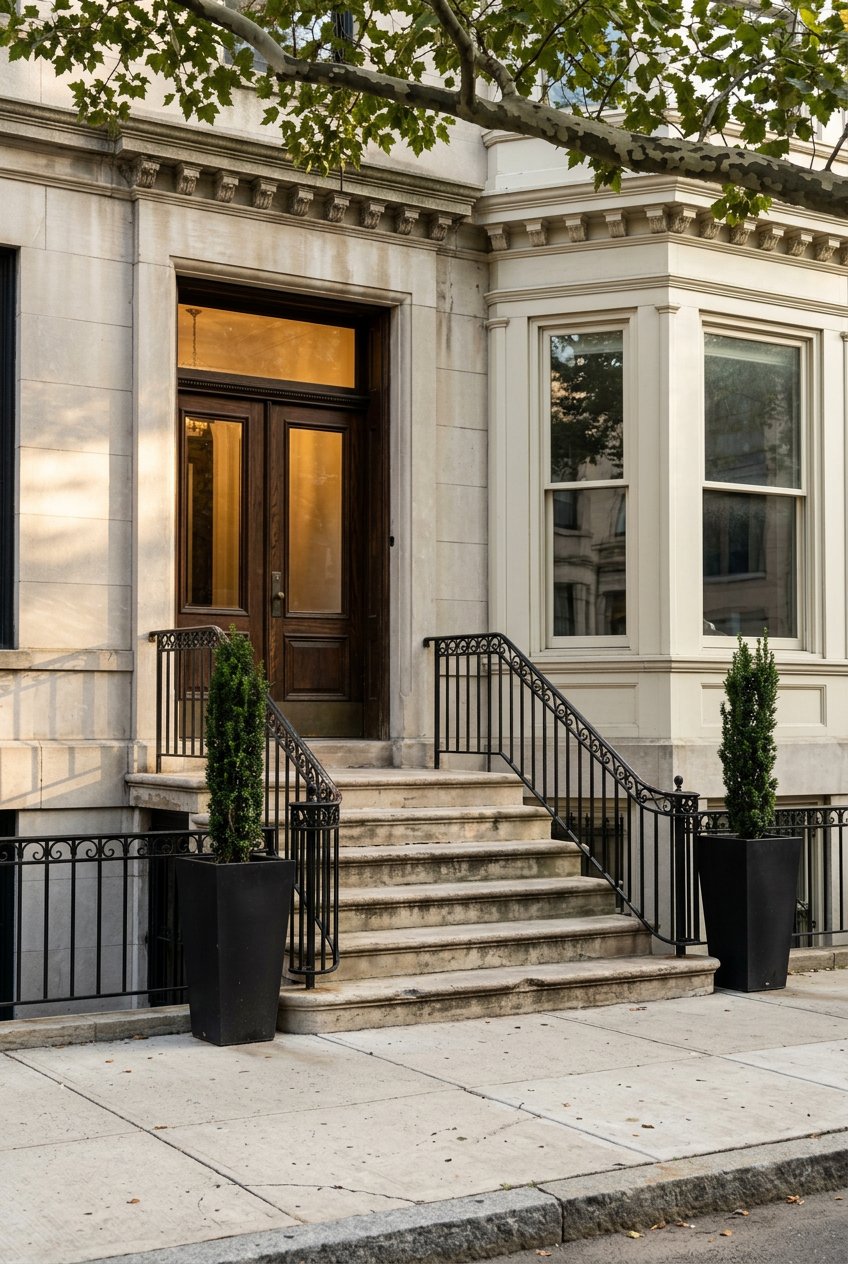
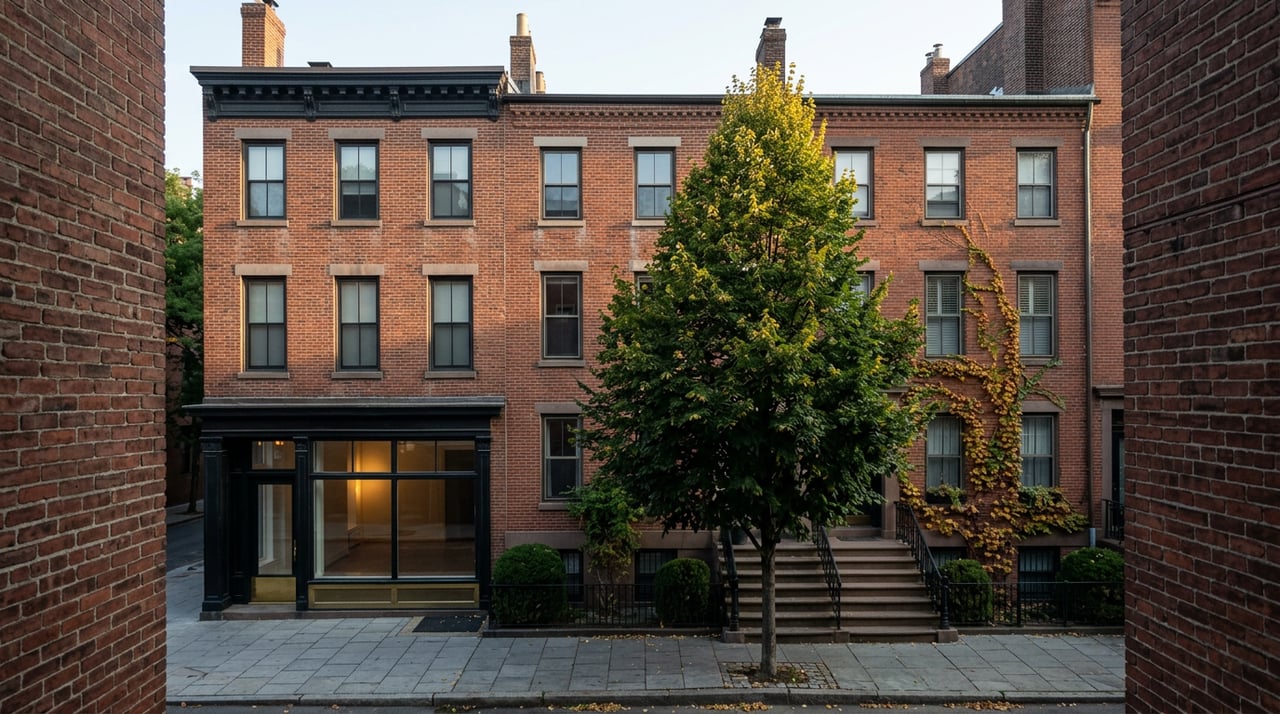
Much of the Upper West Side’s image is shaped by prewar apartment houses along Central Park West. Iconic addresses like the Dakota and the San Remo helped define a “classic Manhattan” look with high ceilings, detailed moldings, and gracious room proportions. The Landmarks Preservation Commission documents this historic character across Central Park West’s designated district, captured in its official designation report.
This is a neighborhood where everyday shopping still feels personal. Specialty grocers like Zabar’s anchor culinary routines, while the year-round 79th Street Greenmarket behind AMNH supplies fresh produce, bread, and flowers. Columbus and Amsterdam Avenues stack small businesses, cafés, and services close together, so weekly errands rarely require a car.
Two subway spines keep commutes straightforward. You have the 1/2/3 along Broadway and the A/B/C/D along Central Park West, with frequent crosstown buses connecting to the East Side. For route maps, planned work, and accessibility information, check the MTA’s official site. Many buyers choose quieter residential blocks near the parks, then walk a few minutes to transit for a calm-to-connected routine.
Along Central Park West, you will see formal lobbies, doormen, and classic prewar co-ops with park views that command a premium. Morning runners, evening strolls, and weekend museum time set the daily rhythm here. For a sense of the historic fabric, review the Landmarks Commission’s Central Park West report, then picture an easy walk to the American Museum of Natural History.
Columbus and Amsterdam are where daily life happens. The vibe is neighborly and convenient, with cafés, bakeries, and specialty shops within a few blocks of most homes. On weekends, the 79th Street Greenmarket adds fresh food and a lively street scene behind the museum.
Broadway is busier, with more restaurants, independent theaters, and direct access to the 1/2/3 trains. It is the energetic spine between quieter residential avenues. If you like lively dining and quick transit, Broadway-facing blocks can be a smart fit.
West-facing homes lean into river views, greenway access, and newer condominium towers with amenities like pools, gyms, and doormen. Riverside Park’s playgrounds, gardens, and seasonal programming are staples of local life, supported by the Riverside Park Conservancy. This side of the neighborhood often appeals to buyers looking for turnkey buildings and water-adjacent living.
At the south end, Lincoln Square blends newer high-amenity condos with a deep cultural calendar at Lincoln Center. Transit density around Columbus Circle puts Midtown and Downtown within easy reach. Browse the latest programs at Lincoln Center to see how your weeknights might look.
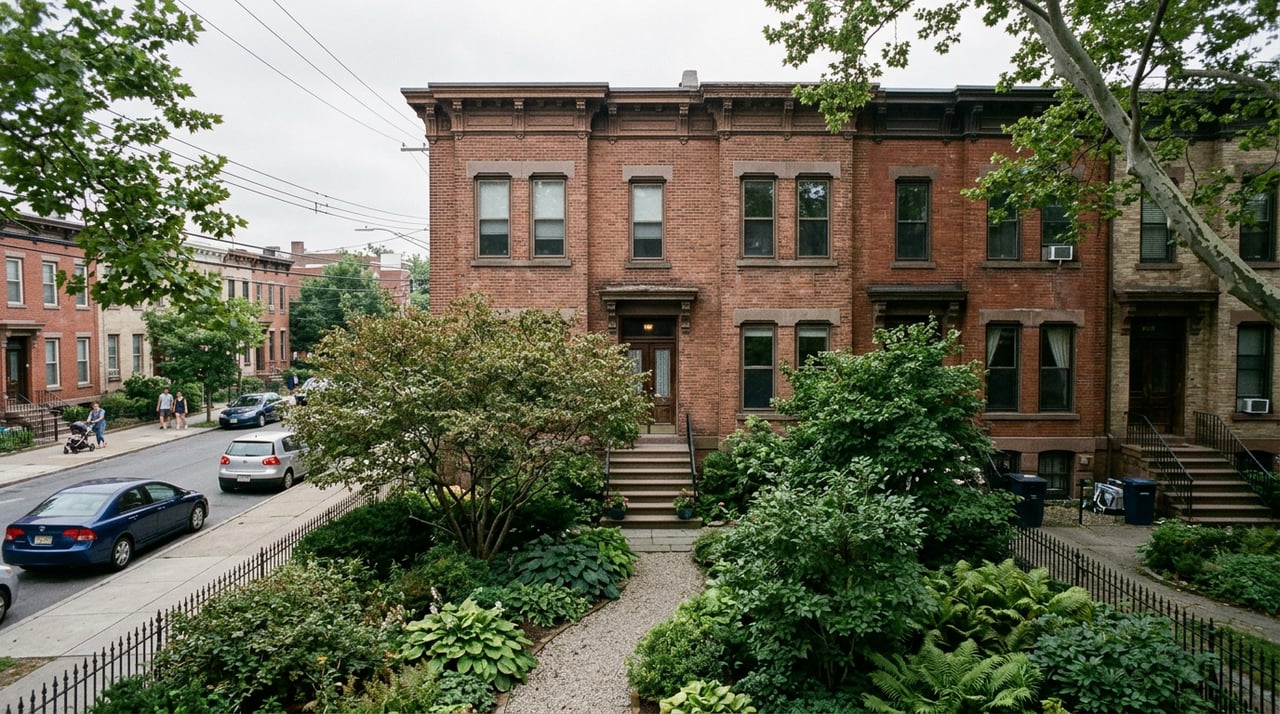
As you move north of 96th Street, the housing stock diversifies with a mix of co-ops, rentals, and some walk-ups. Buyers often find more space per dollar here compared with the park-adjacent core. For a high-level view of neighborhood housing trends and demographics, review the Furman Center’s Upper West Side profile.
Much of the Upper West Side is co-op stock. Co-ops typically require a detailed board package and interview, along with specific liquidity and down payment expectations. If you are new to this process, a practical overview like this NYC co-op buying guide outlines typical steps and timing. Condos offer more flexibility on subletting and closings, though purchase prices can be higher.
Prewar co-ops often have higher monthly maintenance charges that may include an underlying mortgage and property taxes. Condos shift property taxes to owners directly and add common charges for building services. The Furman Center’s neighborhood profile is a helpful reference for understanding local housing stock and broader context.
Living on Broadway or near large transit hubs can mean faster commutes and more dining options, with some increase in street noise. Park blocks and Riverside Drive offer quieter mornings, often with a longer walk to certain subway entrances. Use the MTA’s official maps and station pages to plan routes that match your routine.
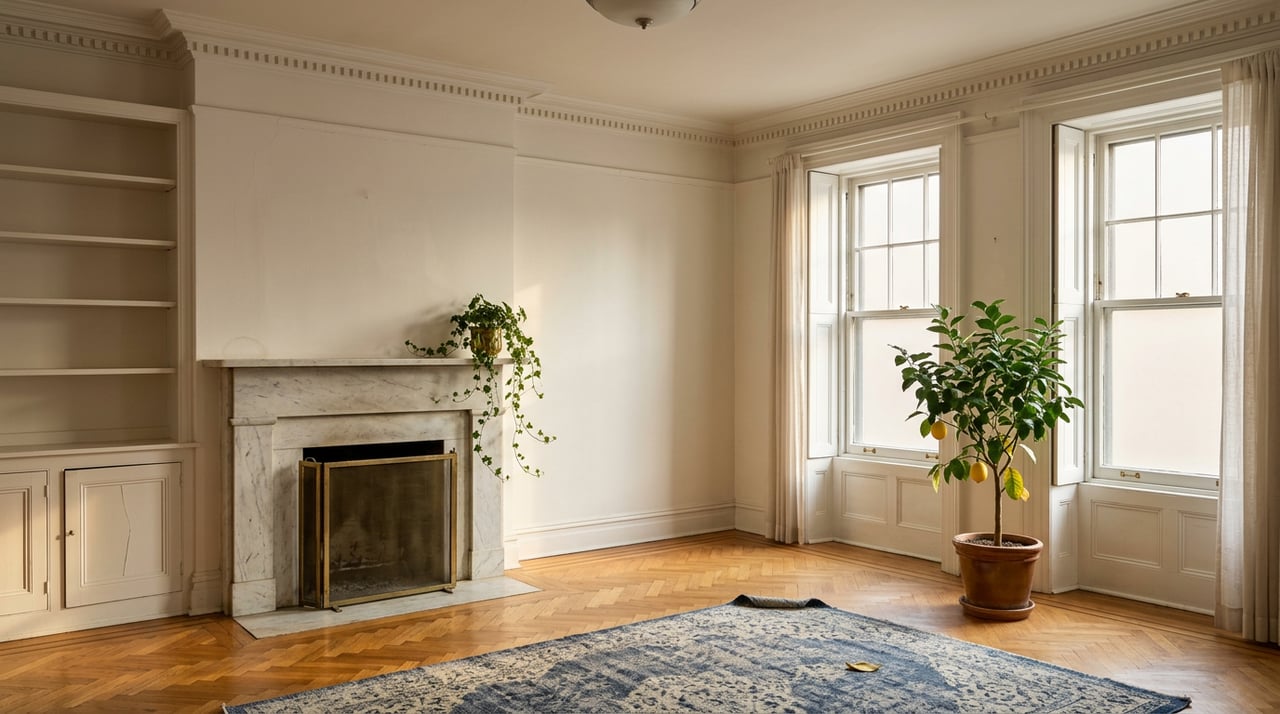
Prewar apartments deliver charm and scale, though some may need kitchen or bath updates. Newer buildings emphasize services and convenience, such as doormen, gyms, pools, and package rooms. Picture both experiences, then decide which daily rhythm fits you best.
Pricing varies by block, view, and building type. As a general cue, Zillow’s neighborhood dashboard reported a typical Upper West Side home value around 1.33 million dollars, with a Zillow Home Value Index of approximately 1,335,620 dollars as of January 31, 2026. The same dashboard showed a median sale price near 1.11 million dollars as of December 31, 2025. Use these as directional touchpoints, and always pair them with up-to-date building-level insights when you prepare an offer.
If the Upper West Side’s blend of parks, culture, and classic architecture matches your goals, we would be honored to guide you. Our team can help you compare co-op and condo paths, assess monthly costs, and target blocks that fit your routine. For discreet, multilingual advice and a curated search, connect with BARNES New York. Schedule a private consultation with our multilingual New York advisors.
Stay up to date on the latest real estate trends.
Experience tailored guidance, global reach, and exclusive access to New York’s most coveted properties. We are your trusted partner in luxury real estate.