Living In SoHo: Art, Fashion And Quiet Luxury
May 7, 2026
May 7, 2026
If you are drawn to New York neighborhoods with style, history, and substance, SoHo tends to stand apart. It offers a rare mix of landmarked architecture, fashion credibility, and a polished daily rhythm that feels upscale without needing to announce itself. If you are considering buying, renting, or simply exploring the area, understanding what living here really feels like can help you see why SoHo continues to hold such lasting appeal. Let’s dive in.
SoHo is not just a shopping district with beautiful buildings. It is a historic part of Manhattan Community District 2, shaped in large part by the Broadway corridor from Houston Street to Canal Street. Its identity is rooted in the SoHo-Cast Iron Historic District, first designated in 1973, with an extension added in 2010 to preserve the neighborhood’s low- to mid-rise streetscape and architectural character.
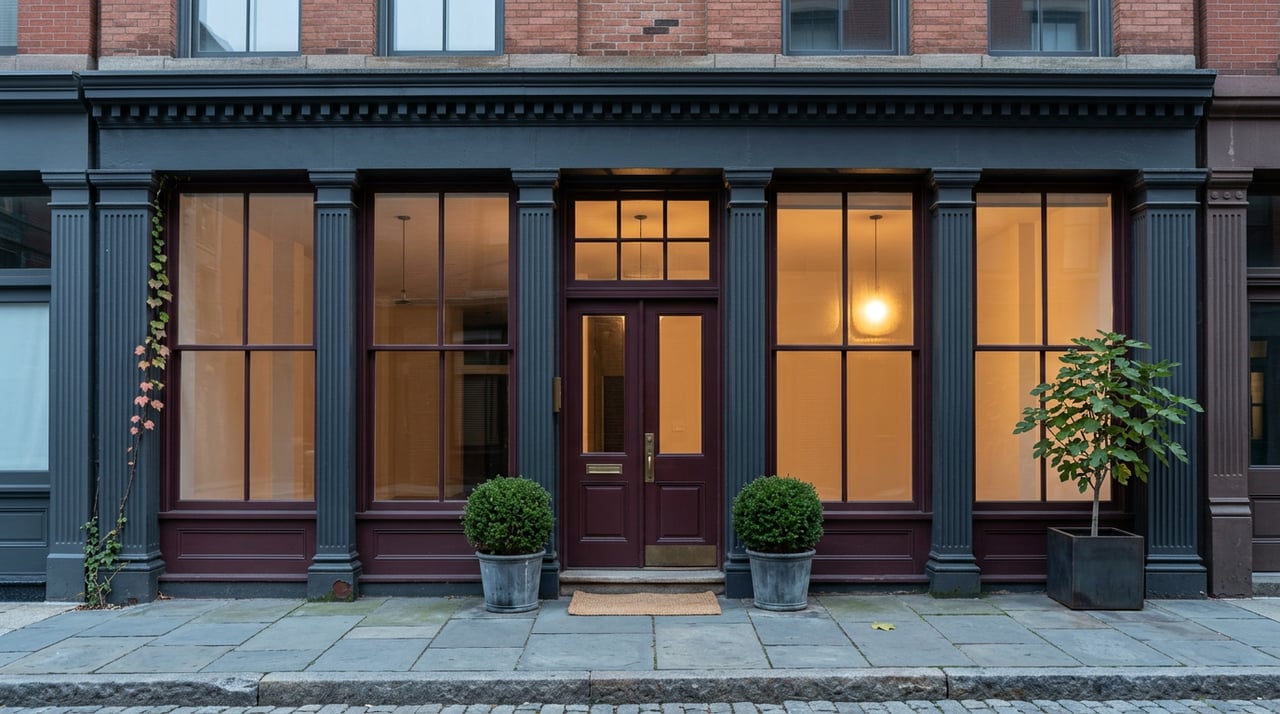
That preservation matters in everyday life. SoHo’s cast-iron facades, loft buildings, large windows, and high ceilings create a visual consistency that feels hard to replicate elsewhere in Manhattan. Even when the streets are active, the neighborhood’s scale gives it a composed and elegant atmosphere.
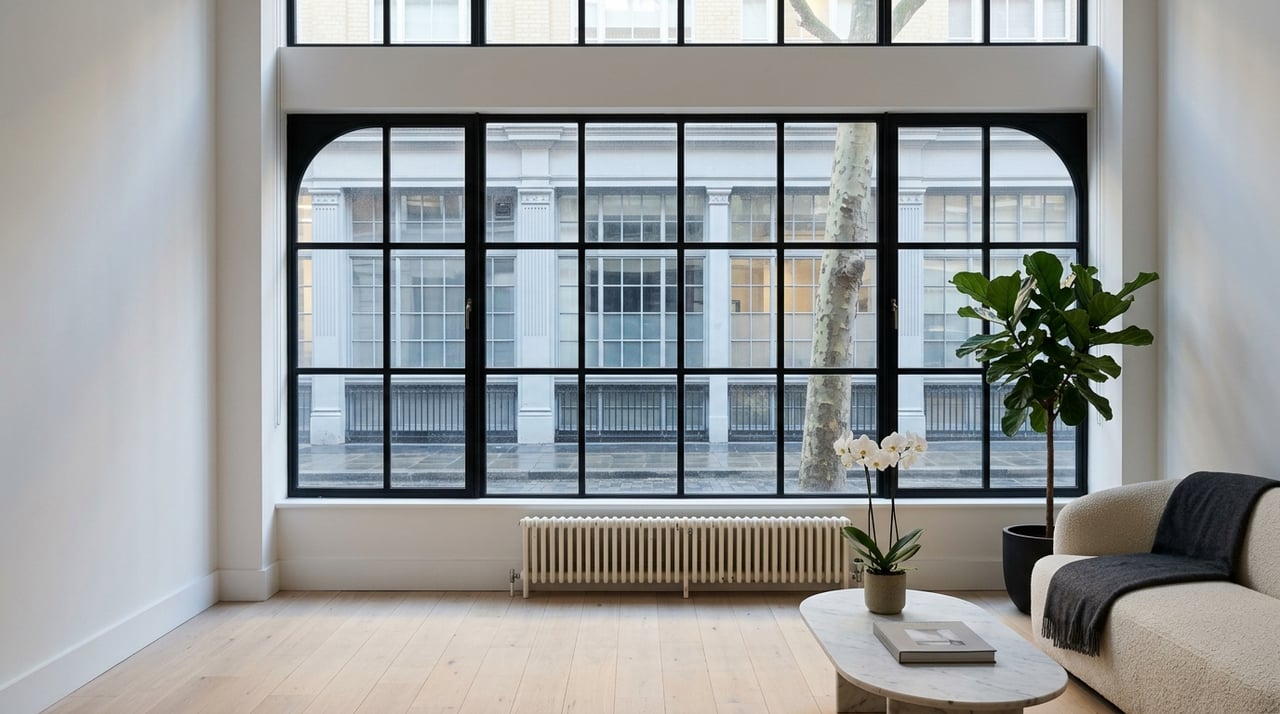
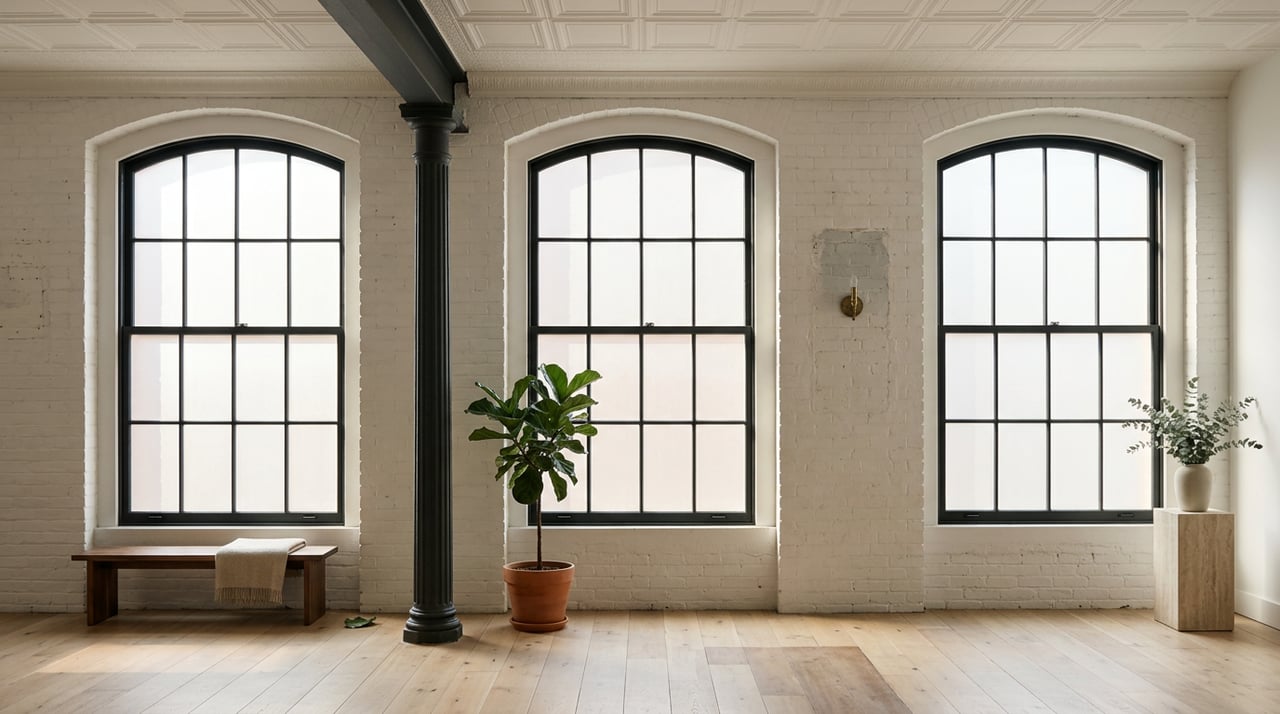
SoHo was once a manufacturing district, and that industrial past still defines the homes and streets you see today. Loft-style spaces, open floor plans, and oversized windows are not just design trends here. They are part of the neighborhood’s original built fabric.
Its artistic legacy also remains important, though in a more nuanced way than many people expect. By 1978, roughly 5,000 artists lived in SoHo, but rising rents gradually shifted the neighborhood toward boutiques, restaurants, galleries, and other commercial uses. Today, it is more accurate to think of SoHo as a historic district with a modern mixed-use identity rather than a neighborhood frozen in its artist-loft era.
That transition became official in 2021, when the Special SoHo-NoHo Mixed Use District was adopted. The update broadened housing choices, reinforced the area’s mixed-use character, and supported arts and creative uses while retaining commercial and manufacturing space. For you as a resident or buyer, that means SoHo continues to evolve while still protecting the qualities that made it iconic in the first place.
SoHo’s art story is still present, but it now feels more curated than sprawling. Instead of a dense gallery scene on every block, the neighborhood’s creative identity shows up through lasting cultural institutions and arts programming.
Two notable anchors are The Drawing Center at 35 Wooster Street and the Leslie-Lohman Museum of Art at 26 Wooster Street. These institutions help keep the neighborhood connected to its artistic roots. They also give daily life in SoHo a cultural layer that goes beyond retail and dining.
This distinction matters if you are choosing a neighborhood based on lifestyle. SoHo does not rely only on image. It still carries real artistic memory and active cultural presence, even as residential and commercial uses shape most of the day-to-day experience.
If art gives SoHo depth, fashion gives it motion. The Broadway corridor remains the neighborhood’s commercial spine, and the district continues to attract national and international retailers alongside a growing presence from tech, media, and entertainment companies.
The scale is significant. According to the local business improvement district, SoHo Broadway includes about 1.5 million square feet of retail, 3 million square feet of office space, and an 87% storefront occupancy rate as of September 2025. It is also served by 10 subway lines, which helps explain why the area remains one of Manhattan’s most connected and active destinations.
Yet SoHo’s luxury identity often feels quieter than in other high-end shopping areas. That is because many of its flagship retail experiences are service-led and appointment-driven. Prada’s SoHo store offers private appointments, made-to-measure, and made-to-order services, while CHANEL’s SoHo boutique offers appointments, alteration, and care-and-repair services.
That service model shapes the neighborhood’s tone. The luxury here feels discreet, personal, and polished. It is less about spectacle and more about access, detail, and experience.
SoHo’s dining scene complements that same refined rhythm. It is not only a place to shop or pass through. It is a neighborhood where you can settle into a full day, whether that means a casual lunch, an elegant tea break, or a destination dinner.
A few examples illustrate the range. SUGARFISH on Spring Street is reservation-free and relaxed in format. Ladurée on West Broadway brings a pâtisserie and tea-room atmosphere, while Pera Soho on Thompson Street offers indoor and outdoor dining, including a heated Winter Terrace.
What this means in practice is simple. SoHo can feel polished during the day, lively in the evening, and still usable as a residential neighborhood after the stores begin to wind down. That balance is a key part of its appeal.
In SoHo, quiet luxury is not about isolation or excess. It is about architecture, proportion, service, and atmosphere. The neighborhood delivers a level of polish that feels intentional rather than overproduced.
You see it in the cast-iron streetscape and the preserved loft buildings. You feel it in appointment-based shopping, carefully designed storefronts, and dining that ranges from casual to elegant without losing the neighborhood’s sense of restraint. This is a place where quality often shows up in materials, service, and setting rather than overt display.
That is part of why SoHo appeals to buyers who want lifestyle alignment as much as square footage. The neighborhood offers cultural cachet, but it also supports everyday routines with a sense of ease and refinement.
For anyone considering a move, one of the most important distinctions is between Broadway and the streets behind it. Broadway carries much of the neighborhood’s retail energy, foot traffic, and destination activity. Side streets and cross streets often feel calmer by comparison, shaped more by residential loft buildings and the preserved rhythm of the historic district.
This contrast is one of SoHo’s defining strengths. You can be moments from major retail and dining, then return to a quieter block with a very different tempo. That layered experience helps explain why the neighborhood can feel both central and contained at once.
The public realm also plays a role. The local business improvement district states that its clean team works 363 days per year, with a focus on making SoHo Broadway welcoming for people who live, work, and visit there. The result is a district that often feels maintained and cared for, which supports the neighborhood’s polished reputation.
SoHo tends to attract people who value more than convenience alone. It often speaks to buyers and renters who care about architecture, design, culture, and a neighborhood atmosphere that feels established rather than generic.
You may be especially drawn to SoHo if you are looking for:
For international and lifestyle-driven clients, SoHo can be particularly compelling because it combines New York energy with a more edited, design-conscious feel. It reads as sophisticated without feeling rigid.
If you are evaluating SoHo as a place to live, it helps to look past its reputation and pay attention to street-level differences. Not every block feels the same, and that is part of the neighborhood’s complexity.
As you explore, consider:
In a neighborhood like SoHo, subtle differences can shape your experience in a big way. Building style, block location, and daily street activity all influence how a home feels over time.
Neighborhoods go through cycles, but SoHo has shown unusual staying power. Its appeal is not based on a single trend. It comes from the combination of preserved architecture, cultural memory, strong retail identity, and a modern mixed-use structure that reflects how people actually live in the area today.
That blend gives SoHo a rare balance. It feels historic, but not static. It feels luxurious, but not loud. And it feels deeply tied to New York while still offering a level of calm, texture, and service that is hard to find elsewhere.
If you are considering a move, purchase, rental, or investment in SoHo, working with an advisor who understands both the neighborhood’s nuance and the expectations of a global clientele can make the process far more seamless. To explore SoHo with discretion and local insight, schedule a private consultation with BARNES New York.
Stay up to date on the latest real estate trends.
Experience tailored guidance, global reach, and exclusive access to New York’s most coveted properties. We are your trusted partner in luxury real estate.