Townhouse Or Loft In Greenwich Village?
March 24, 2026
March 24, 2026
Choosing between a classic Greenwich Village townhouse and a sun-filled loft is not just about style. It is about how you want to live day to day, what you value for privacy and outdoor space, and how you want to manage costs and long-term value. In this guide, you will compare the key differences so you can decide with confidence. Let’s dive in.
Greenwich Village is a low-volume, high-demand market where monthly medians can swing. For neighborhood-wide context, PropertyShark recorded a January 2026 median sale price around $1.2575M, which reflects a mix of co-ops and condos across price points source. At the top end, downtown townhouses trade far above typical condo and co-op medians, with specialist townhouse studies showing a 2025 Downtown median in the high seven to low eight figures. The practical takeaway is simple: a modest loft or small condo may sit near neighborhood medians, while townhouses and high-end loft-style condos occupy a very different tier.
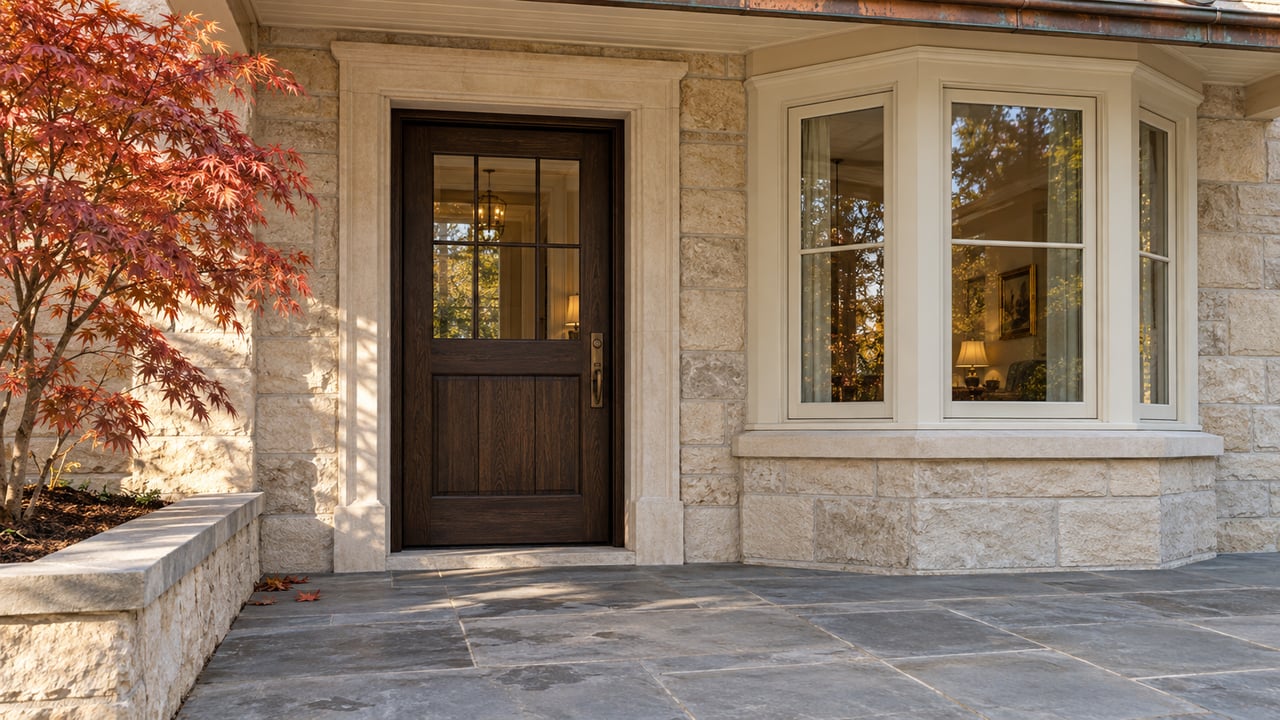
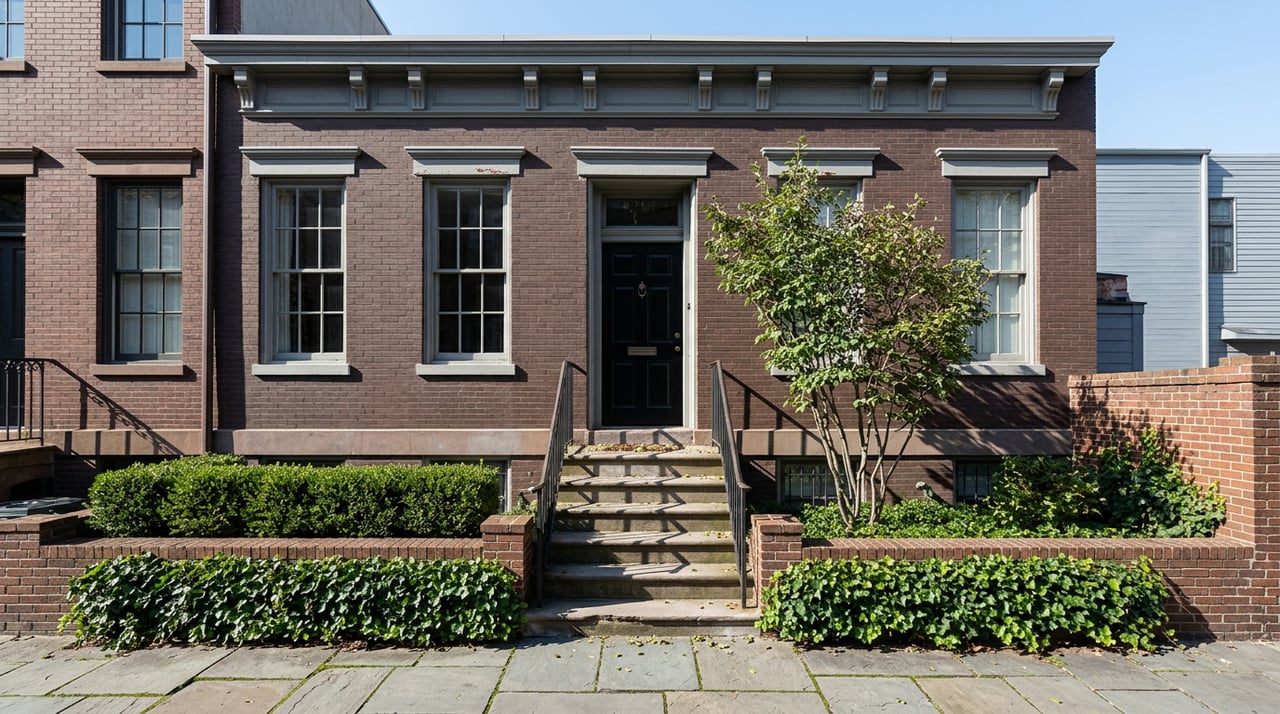
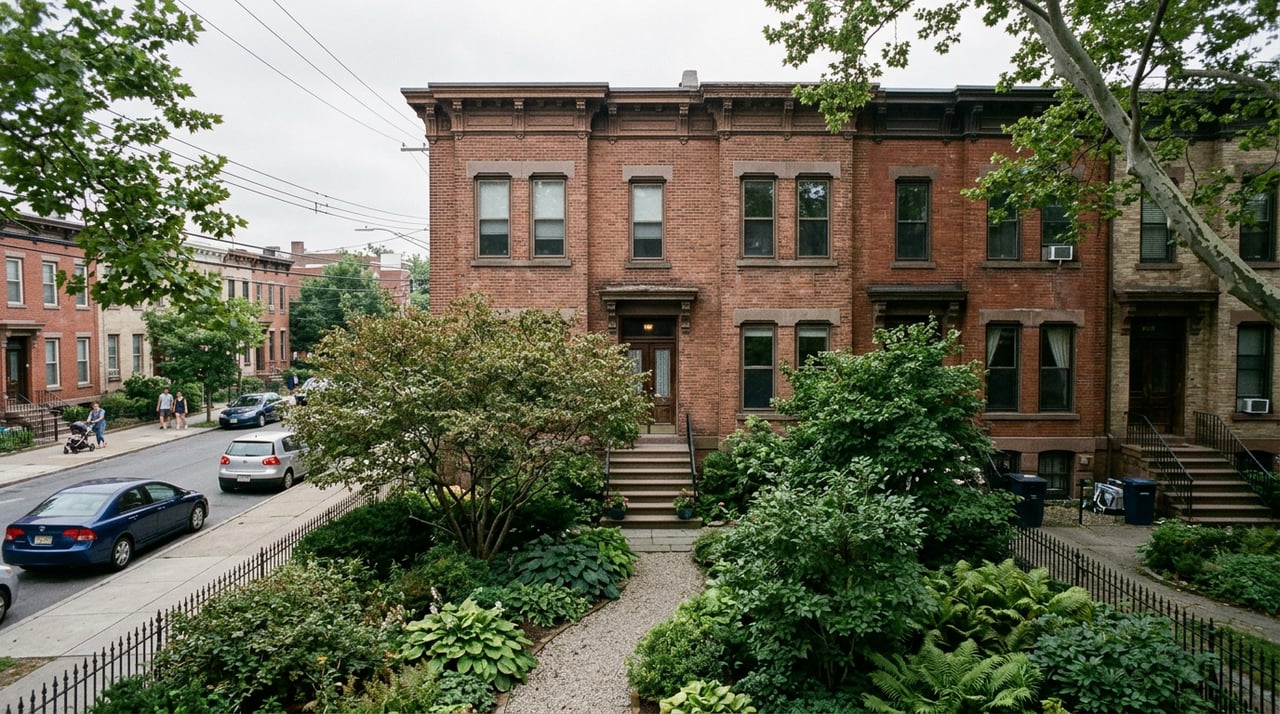
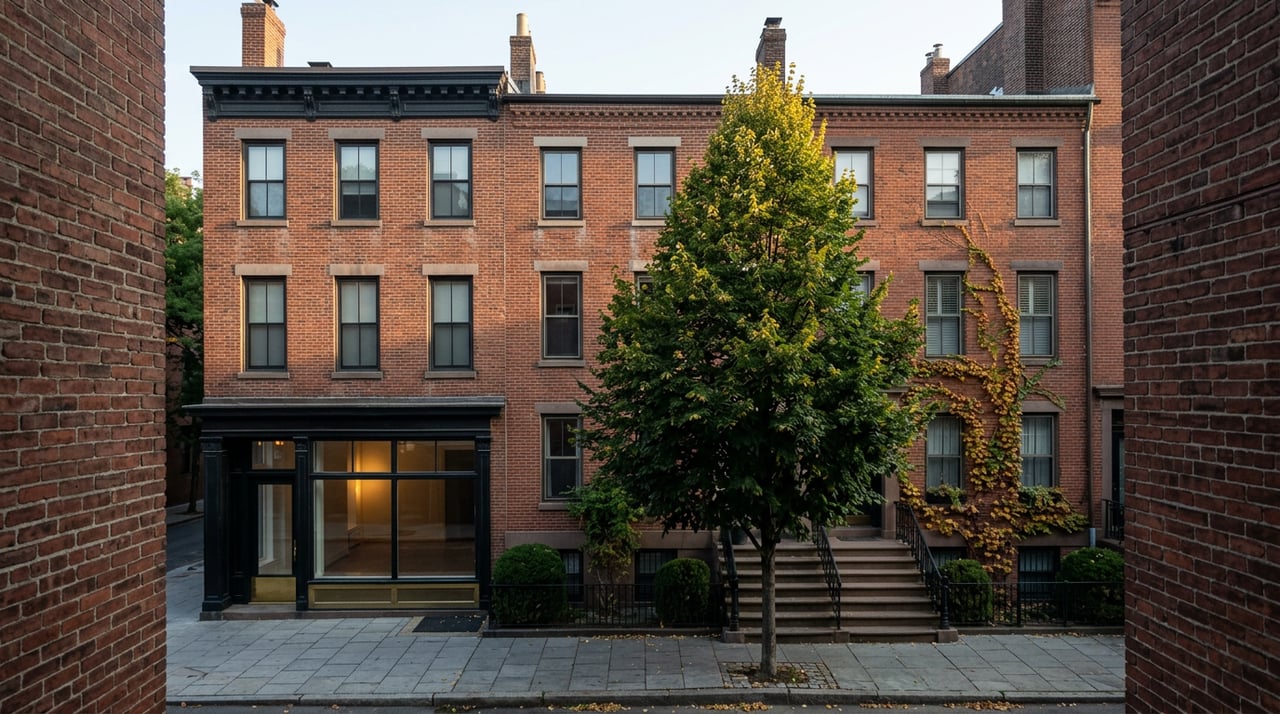
Townhouses offer a private front door and a vertical layout that separates living and sleeping areas, which creates a strong sense of home and street presence. You share party walls, but you do not share a lobby or corridor. For architectural background on rowhouse living, see this overview of historic New York rowhouse styles source. In loft buildings, privacy varies: boutique conversions with keyed elevators can feel very private, while larger condo buildings add lobbies, corridors, and staff that balance privacy with service and security.
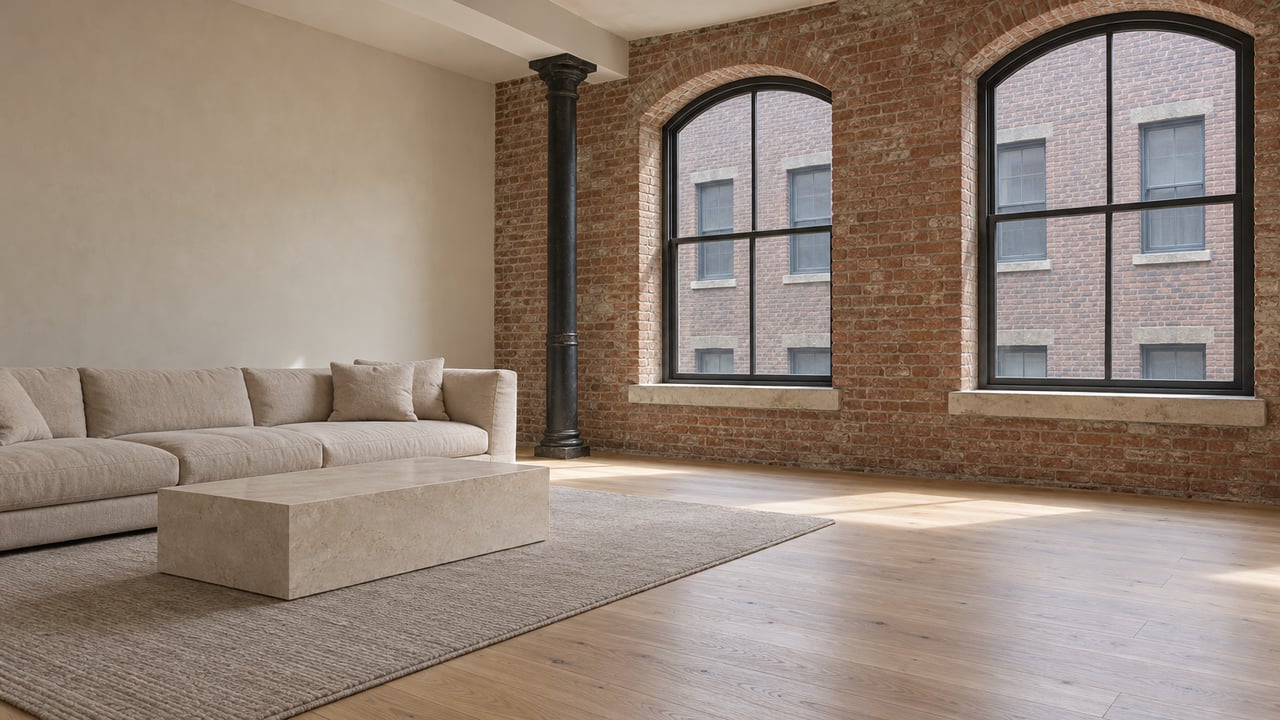
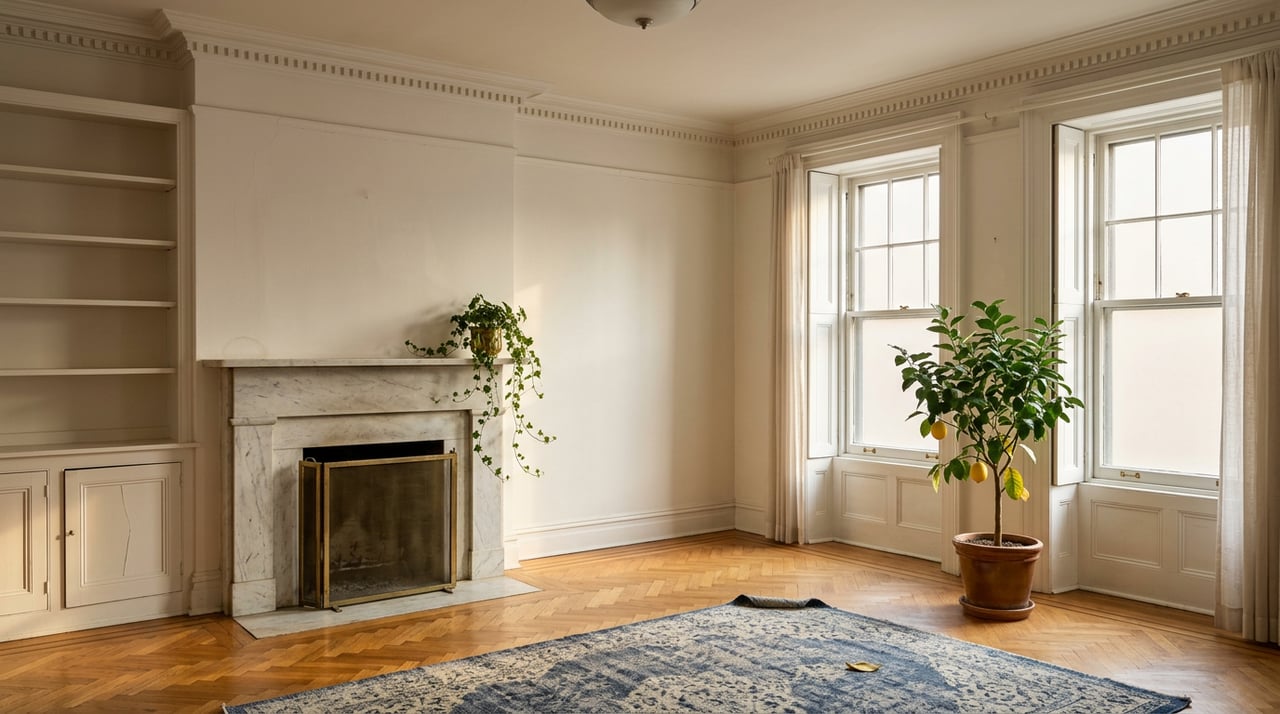
A townhouse gives you defined rooms across several floors, multiple entries to the garden or basement, and natural separation between public and private spaces. If you like doors you can close and a traditional flow, this can be ideal. Lofts deliver open volume, high ceilings, big windows, and flexible layouts. Their industrial origins explain the light and scale many buyers prize today source.
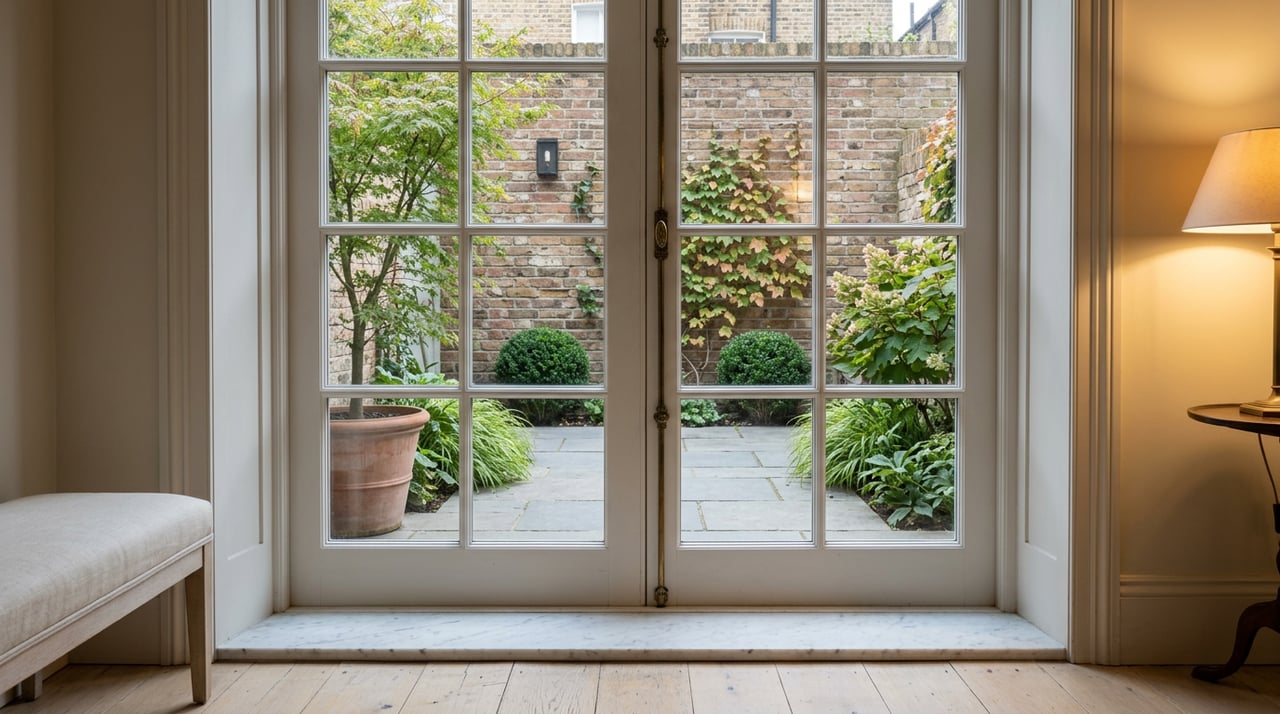
Many Village townhouses include a private rear garden or the possibility of a roof deck if permitted. This is often the most direct way to secure true private outdoor space in the neighborhood. In lofts and condos, outdoor space is more likely a terrace or a shared roof deck, though some boutique conversions and unique buildings offer standout private terraces source. Daylight depends on orientation and window size, but authentic lofts with large factory windows can be exceptionally bright.
Townhouse ownership means you control your property and avoid monthly amenity fees. You are also responsible for exterior maintenance and capital projects, which can be episodic but meaningful when they arise. In loft and condo buildings, you pay monthly common charges that fund staff, elevators, gyms, and shared areas. This raises monthly costs but shifts much of the maintenance burden to the building entity, which many buyers view as a convenience trade-off.
Tax class matters in New York City. One to three-family townhouses are typically Tax Class 1, while most condos and co-ops fall under Class 2, and the assessment math differs between them. The Department of Finance explains how assessed values are determined for each class and how that impacts your bill source. Many authentic lofts are in co-ops or condos, so expect a board process for co-ops and more flexible rules for condos. If you are financing, townhouses are usually under standard 1 to 4 family loan guidelines, while co-op and condo underwriting follows building-specific criteria.
Large parts of Greenwich Village are landmarked, so exterior changes to a townhouse or any visible rooftop work typically require Landmarks Preservation Commission approval. The LPC outlines what needs a Certificate of Appropriateness, typical timelines, and when staff-level approvals are possible source. Plan early if you hope to alter windows, facades, or rooflines, and budget extra time for community review. Interior renovations that do not affect protected exterior features usually proceed with Department of Buildings permits and, if applicable, co-op or condo approvals.
Renovation budgets vary widely by scope and finish. Industry guides suggest that a moderate full-home renovation in NYC starts in the low hundreds per square foot, with gut-level work, historic restoration, or luxury finishes pushing higher source. Landmark oversight, unknown conditions in prewar structures, and building rules can add time and contingency. If you are even considering exterior work on a landmarked property, align architect, contractor, and LPC strategy upfront.
Townhouses in the Village are scarce and tightly curated by historic districts, which supports a scarcity premium at the top of the market. Sales are episodic, so comps can be noisy, but buyers often pay for privacy, identity, and outdoor space. Loft value depends on building quality, the authenticity of the conversion, and services. Historic lofts with recognized character tend to enjoy durable demand, while amenity-rich, loft-style condos often compete with the broader luxury condo set source.
Ready to compare real options on the ground, from classic Village rowhouses to authentic loft conversions and amenity-rich condos? Schedule a private consultation with the multilingual advisors at BARNES New York to map your lifestyle priorities, budget, and timeline to the right properties and a confident purchase.
Stay up to date on the latest real estate trends.
Experience tailored guidance, global reach, and exclusive access to New York’s most coveted properties. We are your trusted partner in luxury real estate.