Relocating From Manhattan To Greenwich: Lifestyle And Housing Shifts
April 9, 2026
April 9, 2026
Thinking about trading a Manhattan address for more space in Greenwich? The shift can feel exciting and complicated at the same time. You may gain land, privacy, and easier access to outdoor recreation, but you will also need to rethink your commute, your housing options, and the day-to-day realities of owning a larger property. This guide walks you through the biggest lifestyle and housing changes so you can plan your move with clarity. Let’s dive in.
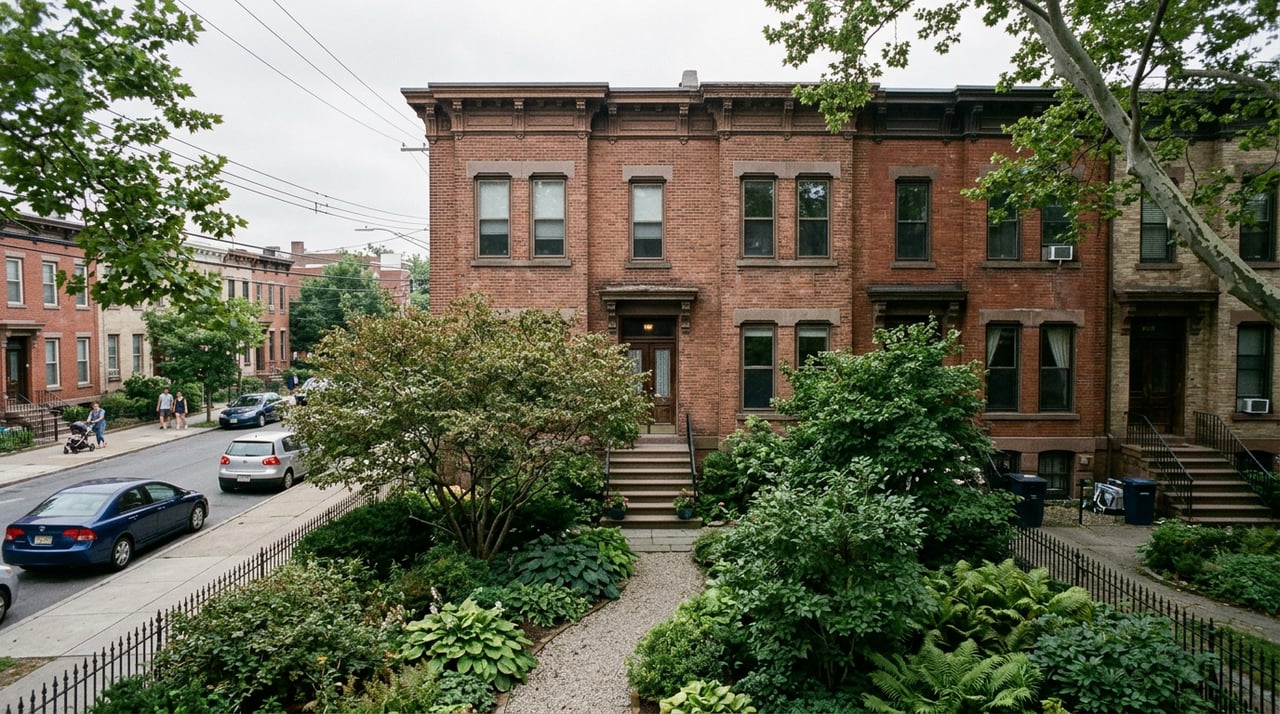
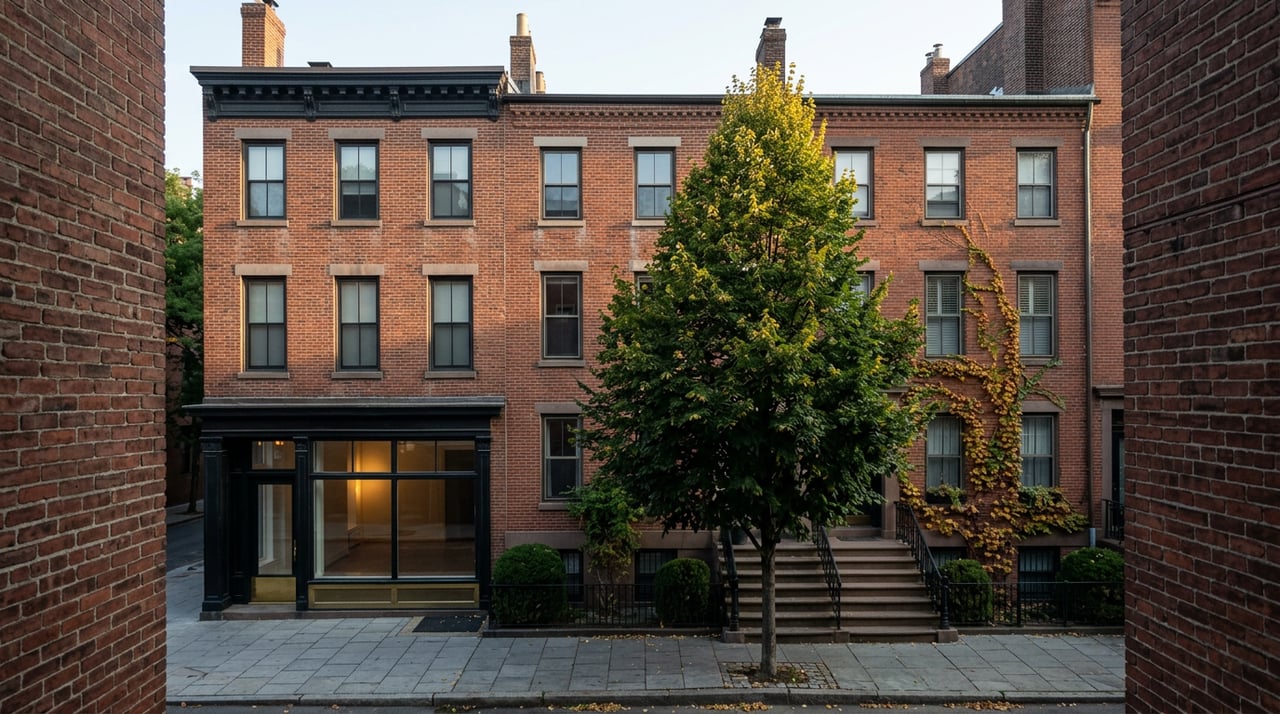
One of the biggest changes is scale. Manhattan is defined by density, vertical living, and smaller household sizes, while Greenwich offers a more residential setting with more room between homes and a stronger ownership culture.
According to U.S. Census QuickFacts for Greenwich, the town had about 64,594 residents in 2024, a 70.0% owner-occupied housing rate, and 2.74 persons per household. By contrast, New York County had 1.66 million residents, 2.00 persons per household, and far greater density. Greenwich’s housing report places the town at about 1,285 people per square mile, compared with Manhattan’s 74,781.6.
That difference shapes everyday life. In practical terms, you are moving from an apartment-first environment to one where homes, land, driveways, and neighborhood-scale amenities play a much larger role.
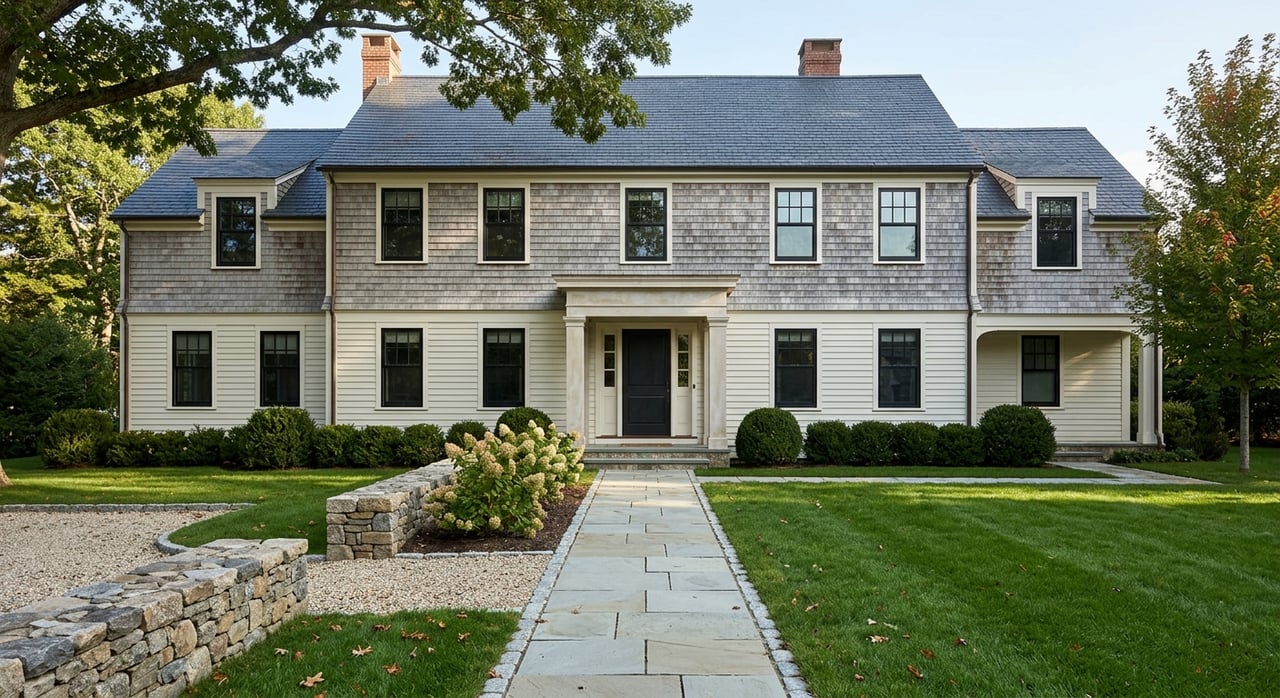
In Manhattan, many buyers and renters focus on building type, amenities, and floor plan efficiency. In Greenwich, your search is more likely to center on lot size, exterior space, parking, and the long-term responsibilities that come with more land.
The town’s housing report notes that 62% of Greenwich housing units are single-family homes on one lot, while 21% are multifamily buildings with three or more units. About 32% of units are renter-occupied, which reinforces that ownership is a major part of the local housing landscape.
For many Manhattan movers, the adjustment is not just about gaining square footage. It is also about managing the property itself, including landscaping, driveways, garages, and ongoing exterior upkeep.
Greenwich zoning helps explain why the housing stock feels so different. The town’s Plan of Conservation and Development highlights residential districts such as RA-2, which requires a 2-acre minimum lot size, and RA-4, which requires a 4-acre minimum lot size.
That means your move may involve more than a bigger house. You may also be taking on a much larger parcel of land, which changes maintenance needs, privacy, and the way you use your property year-round.
If you are comparing monthly costs, it helps to look beyond purchase price alone. Census QuickFacts places the median value of owner-occupied housing units in Greenwich at $1,695,700, and the median monthly owner costs with a mortgage are in the $4,000+ range.
The town’s housing report also notes that only 10% of owner-occupied units were valued below $500,000 in 2019. So while Greenwich may offer more land and living space than Manhattan, it remains a high-cost market with meaningful carrying expenses.
When you move from Manhattan to Greenwich, carrying costs become more property-specific. Instead of focusing mostly on common charges or co-op maintenance, you may need to evaluate taxes, land-related upkeep, and longer-term ownership expenses.
Greenwich assesses real estate at 70% of fair market value, and the town’s FY 2025-26 mill rate is 12.041. The town has also completed its 2025 revaluation, with new assessments taking effect on the July 1, 2026 tax bill, and a new mill rate scheduled to be set in May 2026.
This does not make one market automatically more or less expensive than the other. It simply means your budgeting process needs to account for a different ownership structure and a wider range of property-level costs.
Your transportation habits may shift almost as much as your housing preferences. In Manhattan, many residents build life around walking, taxis, and the subway. In Greenwich, rail remains important, but driving, parking, and timing often become part of the routine.
The Town of Greenwich says the community is served by four Metro-North rail stations and CT Transit bus service, including a bus route along the Post Road corridor and a loop in central Greenwich. The same town planning material also notes that rail ridership has not fully returned to pre-pandemic levels, especially on Mondays and Fridays, while road usage has rebounded and most nonresident workers commute by car.
That matters if you still expect to spend part of your week in Manhattan. Greenwich remains closely connected to the city, but the rhythm is different and usually requires more planning.
Metro-North places Greenwich, Cos Cob, Riverside, and Old Greenwich in Zone 15 for service to Grand Central and Harlem-125th Street. According to the current fare table, a one-way ticket costs $15.00 peak and $11.00 off-peak, while a monthly ticket is $294.75 and a weekly ticket is $104.75.
If you drive to the station, you may also need a resident commuter parking permit. The town also notes that some Metro-North-owned lots offer free weekend parking, which can be helpful if you still move between Greenwich and Manhattan on a flexible schedule.
What often draws Manhattan residents to Greenwich is not just a larger home. It is a different daily cadence, with more outdoor access, more room to spread out, and amenities that feel woven into local life.
Greenwich offers parks, beaches, trails, and ferry access that can become part of your regular routine. That kind of access can feel like a major quality-of-life shift if you are used to an urban environment where outdoor recreation requires more planning.
The town highlights a range of public recreational spaces through its Greenwich Point Park information. Greenwich Point Park is a 147.3-acre beach and recreation facility, while Island Beach is a 3.9-acre town-owned island reached by seasonal ferry.
Byram Park includes a beach, pool, marina, and boat launch. Pomerance/Tuchman Park and Mianus River & Natural Park add wooded trails and passive recreation opportunities. Some beach and park uses require resident passes or seasonal tickets, so it is worth checking access details as part of your move planning.
A move to Greenwich does not necessarily mean a complete break from Manhattan life. The town still offers a credible rail link for hybrid work, executive commuting, and regular city access.
What changes is the balance. You may spend less time living in a highly vertical, transit-driven environment and more time managing a home, planning transportation, and enjoying space that extends beyond your interior walls.
For many buyers, that is the appeal. Greenwich can offer a more residential setting without severing your connection to Manhattan’s business and cultural life.
Before you make the jump, it helps to think through how your priorities are changing. The best move is rarely about square footage alone.
Ask yourself:
If you are relocating from Manhattan, a thoughtful transition plan can help you compare not just homes, but lifestyles. The right guidance can make that comparison much more precise and much less stressful.
If you are weighing a move from Manhattan to Greenwich, BARNES New York offers discreet, personalized guidance shaped by New York market expertise and an international perspective. Whether you are planning a primary move, a hybrid lifestyle, or a longer-term transition, our team can help you navigate the shift with clarity and care.
Stay up to date on the latest real estate trends.
Experience tailored guidance, global reach, and exclusive access to New York’s most coveted properties. We are your trusted partner in luxury real estate.