Brownstone Charm Or New Condo: Deciding In Brooklyn
March 26, 2026
March 26, 2026
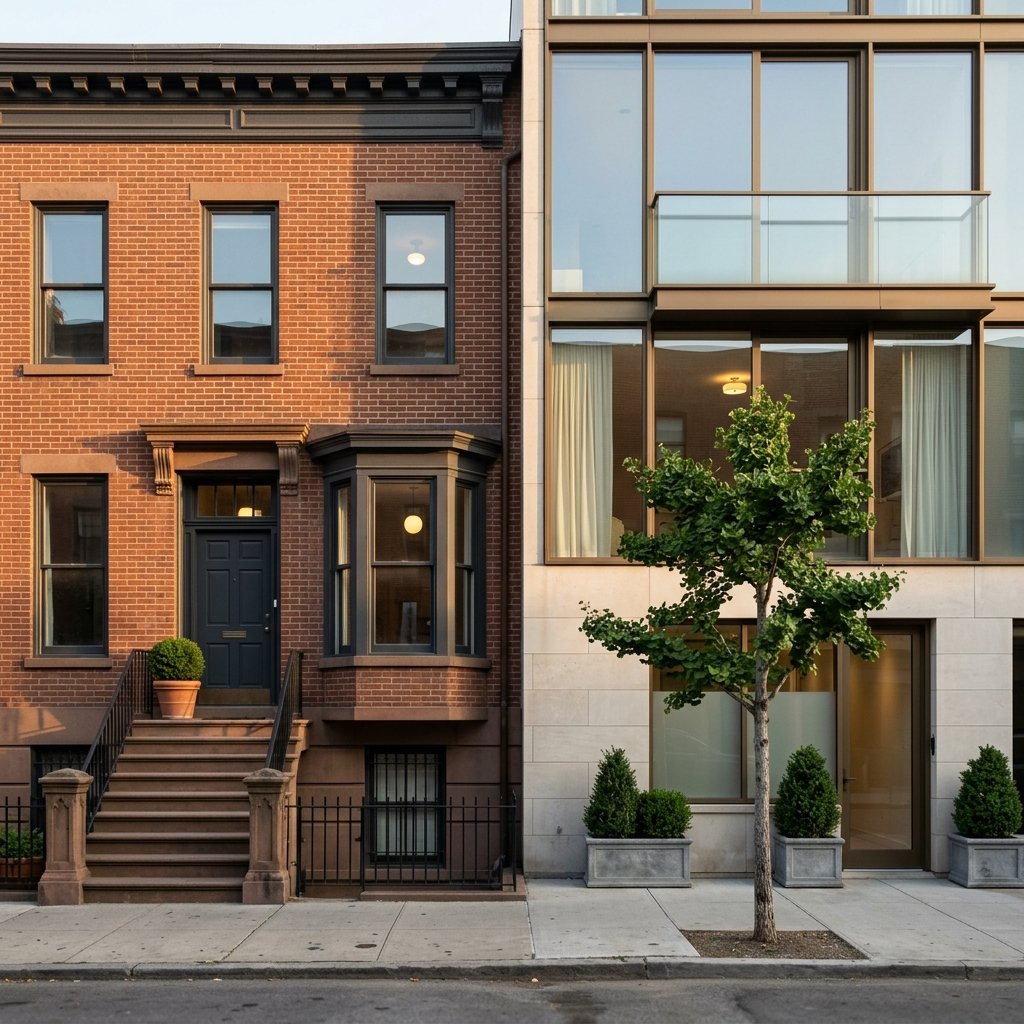
Do you picture yourself stepping up a stoop to a sunlit parlor or pressing an elevator button to a glass-wrapped home with skyline views? If you are deciding between a classic Brooklyn brownstone and a new condominium, you are weighing two very different paths to ownership. Both options can work well in Brooklyn, but they fit different goals, timelines, and tolerances for maintenance. In this guide, you will compare prices, monthly costs, renovation realities, financing, regulations, and neighborhood context to choose confidently. Let’s dive in.
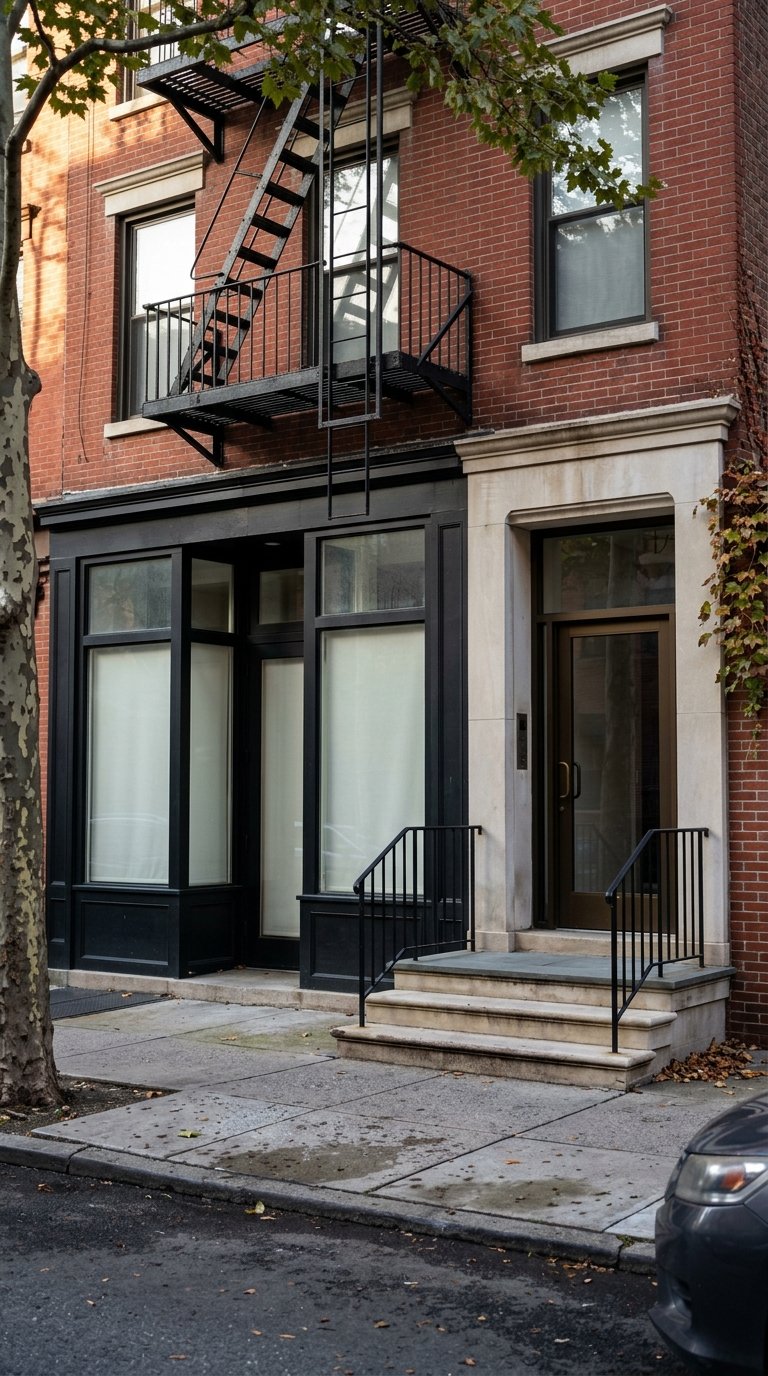
A brownstone or townhouse often delivers a private entrance, stoop or garden, and multiple floors with generous proportions and historic detail. Many are 1–3 family homes, which can allow you to live in one unit and rent the others. You call the shots on upgrades and design. The tradeoff is that you shoulder all maintenance and capital projects, from the roof to the façade.
Brooklyn condos range from boutique walkups to full-service towers with amenities. You own your apartment with deeded rights, pay monthly common charges, and the building handles operations, staffing, and many maintenance tasks. You gain convenience and usually more flexible renting rules than co-ops. You also accept recurring common charges and the possibility of special assessments.
Brownstones concentrate in historic neighborhoods such as Park Slope, Carroll Gardens, Cobble Hill, Brooklyn Heights, Fort Greene, Clinton Hill, Prospect Heights, Bedford-Stuyvesant, and parts of Crown Heights. Many of these blocks are in designated historic districts, which can require Landmarks review for exterior work. You can explore designations on the city’s official Brooklyn historic districts map.
Newer condo development has been strongest in Downtown Brooklyn, DUMBO, Williamsburg, Greenpoint, and along select waterfronts, with pockets in Gowanus and South Brooklyn. In these areas, you are often buying newer systems, elevators, modern amenities, and a more turnkey experience.
At the borough level, prices show how close the two options can be. In Q4 2025, Brooklyn’s median sale price was about $990,000. The median for 1–3 family homes was about $1.18 million and the median condo price was about $1.09 million, according to Douglas Elliman’s Q4 2025 Brooklyn report. Neighborhood, building age, and amenity profile create large spreads. Prime brownstone blocks and new waterfront condos can command significant premiums, while properties farther from transit or in older buildings without amenities may price below the medians.
What drives value for each choice:
Even when purchase prices look similar, your month-to-month costs can differ. Build a true apples-to-apples model so you can compare clearly.
As a condo owner, you pay monthly common charges for building operations and reserves, and you pay property taxes separately. Common charges vary widely by building age and amenity profile. Rising compliance, staffing, and energy costs have pushed some buildings to increase budgets in recent years. For context on why common charges vary so much, see this NYC-focused overview. To compare to a brownstone, total your mortgage, common charges, monthly property taxes, insurance, and typical utilities.
A single-family or 1–3 family brownstone has no common charges, but you carry 100 percent of maintenance and capital needs. That can mean larger, less predictable one-time projects. For a fair comparison, estimate an annual maintenance and capital budget for the house and convert it to a monthly figure. Add your mortgage, insurance, and utilities. If the property has rental units, consider potential income and vacancy in your pro forma.
If you want to restore or reconfigure a brownstone, plan conservatively. Full-gut townhouse renovations in NYC commonly range around 400 to 650 dollars per square foot, with high-end or complex work reaching 800 to 1,000 dollars per square foot or more, per industry ranges outlined by a local contractor guide at Mammoth NYC. Exterior work can also be meaningful. Targeted façade repairs or stoop restoration can range widely depending on scope and structure; a preservation contractor outlines typical restoration considerations here: brownstone restoration overview.
If your building falls in a historic district, expect Landmarks Preservation Commission review for exterior alterations. Interior scopes may be more flexible, but permits through the Department of Buildings still apply. On the condo side, renovations are usually limited to your unit, but many buildings have alteration agreements, deposit requirements, and approved work windows that add time and cost.
Two energy and code rules to know:
There is a notable financing shift that helps some brownstone buyers. Fannie Mae expanded eligibility so owner-occupants can obtain conventional financing with as little as 5 percent down on many 2–4 unit purchases under standard conforming limits. This makes the classic scenario of living in one unit and renting the others more accessible than in the past. Review the policy and confirm details with your lender using Fannie Mae’s summary of changes in its white paper on increasing access to credit: Fannie Mae overview.
If you are considering a condo as an investment or a pied-à-terre, condos typically have simpler approval and subletting frameworks than co-ops. That flexibility can support shorter ownership timelines or rental plans. Always confirm building rules, financials, insurance needs, and any restrictions before you commit.
Brooklyn buyers often ask about energy rules, tax abatements, and historic reviews because they influence long-term carrying costs and timelines.
Both product types can rent well in the right locations. Condos usually offer clearer rental frameworks and easier approvals for tenants. Brownstones with multiple legal units can produce income that offsets carrying costs, but you should evaluate factors like market rents, lease-up time, condition, and any applicable local regulations. Time horizon also matters. If you plan to hold for a shorter period, the predictability of a newer condo can be appealing. If you intend to stay for many years, the customization and long-run appreciation potential of a well-renovated brownstone can make the renovation effort worthwhile.
Use this checklist to align your choice with your goals:
Choose a brownstone if you want autonomy, private outdoor space, and room to customize over time. You accept that you will manage contractors, plan for larger one-time projects, and that timelines can be longer, especially in landmarked areas. The upside is control, character, and the potential to add value through smart renovation.
Choose a condo if you want lower-touch ownership, predictable building services, and simpler renting rules. You accept recurring common charges and the possibility of special assessments, and you focus on location, building quality, and financial health to protect value. In many cases, condos also align well with international or pied-à-terre use because governance and subletting frameworks are often more flexible.
If you want help running the numbers, evaluating building financials, or mapping neighborhoods to lifestyle goals, our team can guide you from first look to closing and beyond. For discreet, multilingual support that aligns your property choice with your broader plans, connect with BARNES New York.
Stay up to date on the latest real estate trends.
Experience tailored guidance, global reach, and exclusive access to New York’s most coveted properties. We are your trusted partner in luxury real estate.