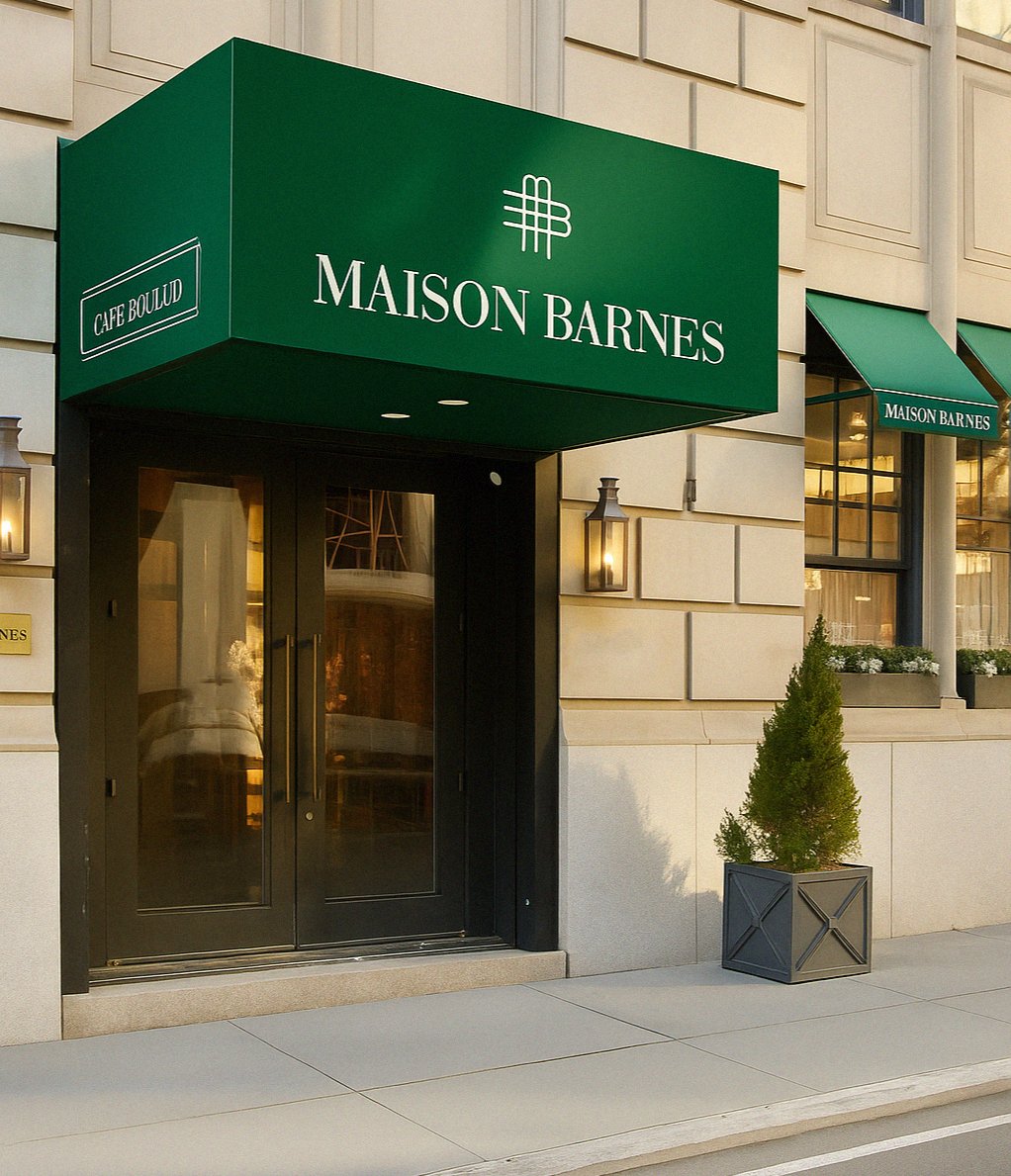
How Upper East Side Co‑Op Culture Shapes Your Search
May 28, 2026
May 28, 2026
If you start your Upper East Side search by focusing only on square footage, finishes, or a pretty facade, you may miss the factor that often matters most: the building itself. In this part of Manhattan, co-op culture shapes not just what you can buy, but how you buy it and how you live once you own it. When you understand that culture early, your search becomes more focused, more efficient, and far less stressful. Let’s dive in.
The Upper East Side is one of Manhattan’s best-known co-op markets. Across the neighborhood, especially in its established residential corridors, co-ops remain a defining part of the housing landscape, alongside condos and townhouses.
That matters because buying a co-op is different from buying deeded real estate in the usual sense. In a co-op, you purchase shares in a corporation that are tied to a specific apartment, and those shares come with a long-term proprietary lease. In simple terms, you are evaluating both a home and the structure that governs it.
For many buyers, that changes the search right away. You are not only asking, “Do I like this apartment?” You are also asking, “Does this building’s financial profile, approval process, and day-to-day culture fit the way I plan to live?”
On the Upper East Side, building selection is often really building-fit selection. Co-op boards operate within bylaws, proprietary leases, and house rules, and those documents can shape daily life in meaningful ways.
Many boards are made up of fellow shareholders, and they are typically unpaid. That helps explain why some buildings feel highly structured and community-minded, with clear expectations around process, quiet enjoyment, renovation timing, and general conduct.
In practice, this means two similar apartments can feel very different as purchases. One may sit in a building with more flexible policies, while another may come with tighter rules that affect how you use the home.
Before you get too attached to a listing, it helps to understand the building’s operating culture. A thoughtful search often includes questions like these:
These are not minor details. On the Upper East Side, they are often central to whether a purchase makes sense for your lifestyle, timeline, and long-term plans.
The Upper East Side is known for beautiful, established buildings, and that is part of its appeal. But in older co-op housing stock, charm and prestige should always be balanced with careful review of the building’s condition and capital needs.
The New York State Attorney General recommends reviewing the full offering plan, board minutes, financial reports, and any posted violations or signs of building-wide issues. This is especially important in buildings where future work may include facade repairs, roof work, elevator upgrades, plumbing improvements, electrical updates, or boiler replacement.
That is why a polished kitchen or elegant lobby should never be the end of the story. A well-run building with realistic planning and sound finances can matter just as much as the apartment’s immediate appearance.
Monthly maintenance is another area where co-op culture changes the search. In a co-op, maintenance commonly covers building operating expenses, property taxes, and sometimes an underlying mortgage on the building.
This means your monthly carrying cost reflects more than your own unit. It also reflects how the building is structured and managed, which is why reviewing financial statements and understanding what maintenance includes is so important.
A useful review often includes:
In the Upper East Side market, you may compare sponsor units, conversion opportunities, and traditional resales. These can look similar in a search feed, but they are not the same transaction type.
For sponsor offerings and conversions, the offering plan governs the sponsor’s obligations. The Attorney General’s guidance is clear that buyers should rely on what is written in the offering plan and purchase agreement, not on marketing language or verbal representations alone.
If the sale is by an individual owner or company rather than the sponsor, the transaction is not regulated in the same way and no offering plan is required. For you as a buyer, that means the level of documentation and the structure of the review can differ significantly.
When comparing listings, it helps to know early whether a unit is:
That single detail can affect your due diligence process, the documents available for review, and the questions your attorney may raise before you move forward.
Upper East Side co-op purchases often require more preparation than buyers first expect. Even with recent changes to the city’s co-op application process, this remains a document-driven purchase path that should not be treated like a typical condo search.
New York City enacted legislation requiring most cooperative corporations with 10 or more units to maintain a standardized application and transfer-requirements list, acknowledge receipt of an application within 15 days, and issue a decision within 45 days of a complete application, with limited exceptions and certain exclusions. The law applies to covered applications made on or after its effective date.
That added structure may help buyers navigate the process more clearly, but it does not remove the need for careful preparation. You should still expect a co-op application to be detailed and timing-sensitive.
The Attorney General recommends that prospective purchasers read the entire offering plan and consult an attorney before signing a purchase agreement. When building condition is a concern, involving an engineer can also be a smart step.
This is particularly relevant if you are a first-time Manhattan buyer, an international purchaser, or someone balancing cross-border financial and ownership considerations. In co-op transactions, preparation is not just about making an offer. It is about presenting a complete, credible profile and understanding the building you are joining.
For eligible co-op owners in New York City, the co-op and condo property tax abatement is not filed by individual owners directly. The New York City Department of Finance says the application is filed by the board or an authorized agent on behalf of the building.
Eligibility can depend on factors such as primary residence status and the unit’s ownership structure. For buyers exploring a primary residence, pied-a-terre, or other ownership setup, this is one more reason to confirm the details early rather than make assumptions.
On the Upper East Side, especially for international and second-home buyers, ownership structure can influence both approval and tax-related questions. That does not mean every building handles these issues the same way.
It means you should review the building’s requirements carefully and coordinate with the right legal and financial advisors before you commit. In a co-op market, small structural details can have an outsized impact on the overall experience.
If you want to search the Upper East Side more efficiently, start with four filters before you fall in love with a floor plan:
This approach helps you narrow your options in a way that reflects how Upper East Side co-ops actually work. It also helps you avoid spending time on apartments that may be attractive on paper but misaligned in practice.
Co-op culture shapes the Upper East Side search in a very real way. It narrows the field to buildings that suit your needs, adds weight to due diligence, makes financial preparation more important, and turns governance into part of the lifestyle decision.
When you approach the market with that mindset, you can search more strategically and with greater confidence. And if you value discretion, clarity, and thoughtful guidance, having an advisor who understands both the nuance of Manhattan co-ops and the expectations of an international clientele can make the process feel much more seamless.
If you are considering an Upper East Side co-op and want tailored guidance through building selection, due diligence, and the purchase process, schedule a private consultation with BARNES New York.
Stay up to date on the latest real estate trends.








Experience tailored guidance, global reach, and exclusive access to New York’s most coveted properties. We are your trusted partner in luxury real estate.