Buying In Greenwich Village: Reading Buildings And Blocks
June 11, 2026
June 11, 2026
Wondering why two homes in Greenwich Village can feel completely different even when they are only a block apart? That is one of the defining truths of this neighborhood. If you are thinking about buying here, it helps to look beyond the listing and learn how to read the building, the block, and the street around it. Let’s dive in.
Greenwich Village is not a uniform housing market. It is a neighborhood shaped by historic protections, varied building eras, and street-by-street differences that can change your daily experience in meaningful ways.
The Greenwich Village Historic District was designated in 1969, and the Landmarks Preservation Commission later described it as the city’s largest historic district, with more than 2,000 buildings across 65 blocks. In practical terms, that means a large share of the neighborhood is preserved in a way that helps maintain its physical character.
Greenwich Village also sits within Manhattan Community District 2, a dense and largely built-out area. According to the 2020 Census profile for the district, there were 58,418 housing units, with 50,806 occupied. In a market with limited supply and few truly interchangeable options, small differences from one block to the next can matter a great deal.
When you buy in Greenwich Village, it is smart to begin with the block before you focus on finishes or layout. The neighborhood is best understood frontage by frontage, not as a single architectural type.
The original district report emphasizes tree-lined streets, a human-scale streetscape, and a wide mix of building forms. That combination is part of what gives the Village its appeal, but it also means that one side of a street may offer a very different experience from the other.
For buyers, that shift can affect light, privacy, openness, and noise. A beautiful apartment may check every box on paper, but the surrounding block often determines how it actually lives.
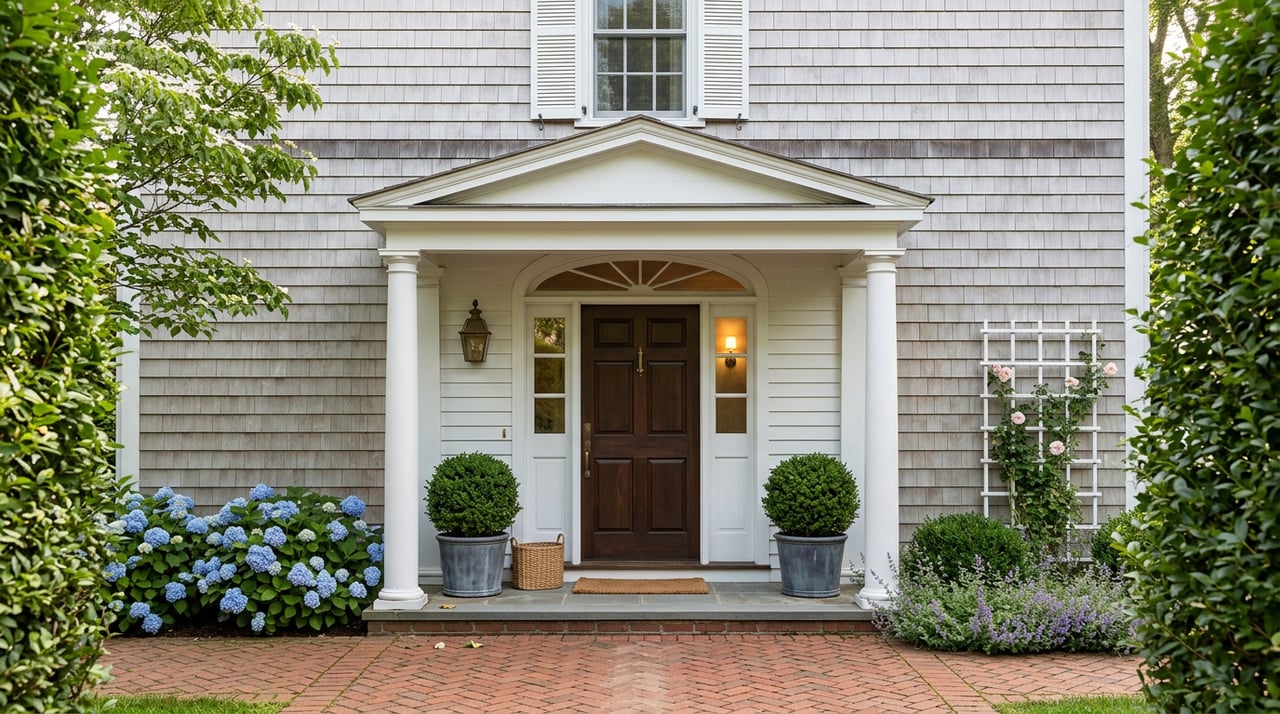
Some of the Village’s best-known streets, especially around Washington Square, feature early townhouse architecture. The district report describes Federal-period and Greek Revival townhouses with red-brick facades, stoops, fanlights, and classical detail.
These blocks often appeal to buyers who want a strong sense of scale and historic character. They also show how the Village can preserve an intimate streetscape even when later apartment buildings were added nearby.
Not every Village block has a consistent scale. East Ninth Street between Fifth Avenue and University Place is described in the district report as a block where a low Greek Revival row survives on one side while a long apartment-house mass occupies the other.
That kind of contrast matters when you tour. The lower side may feel charming and open in one direction, while the opposite side can feel more enclosed or imposing. It is a reminder to study the whole block, not just the address.
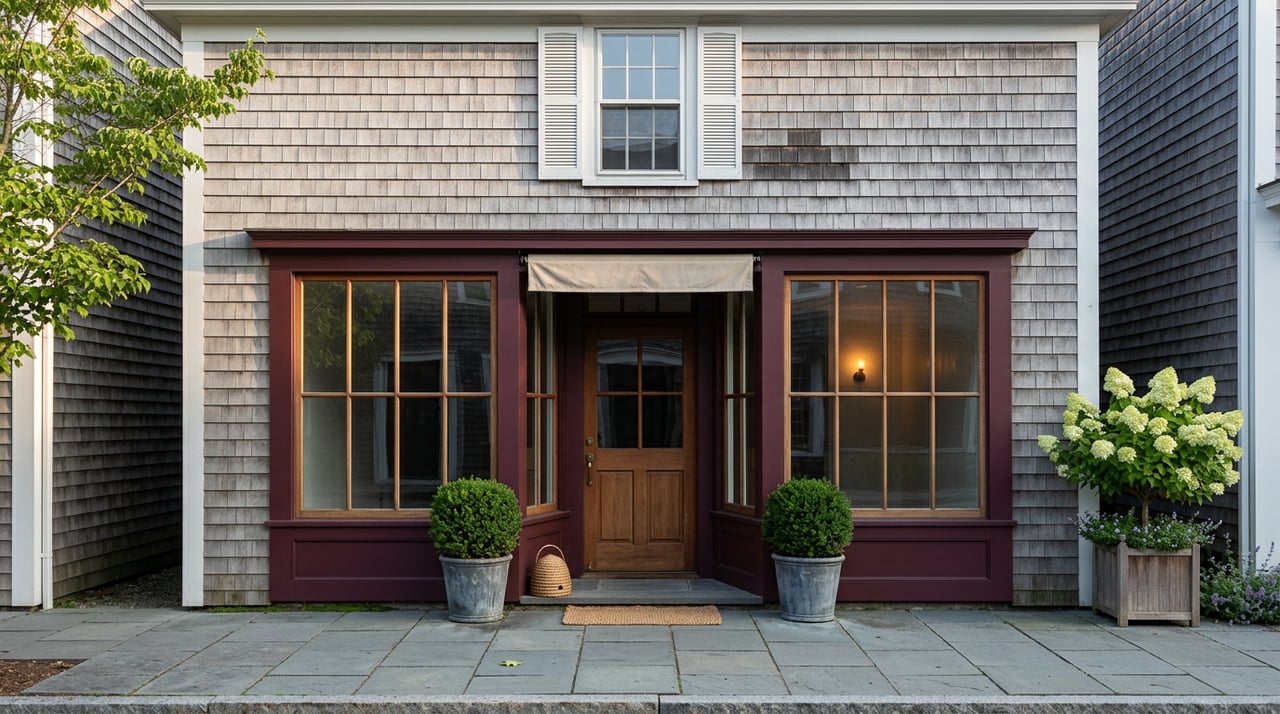
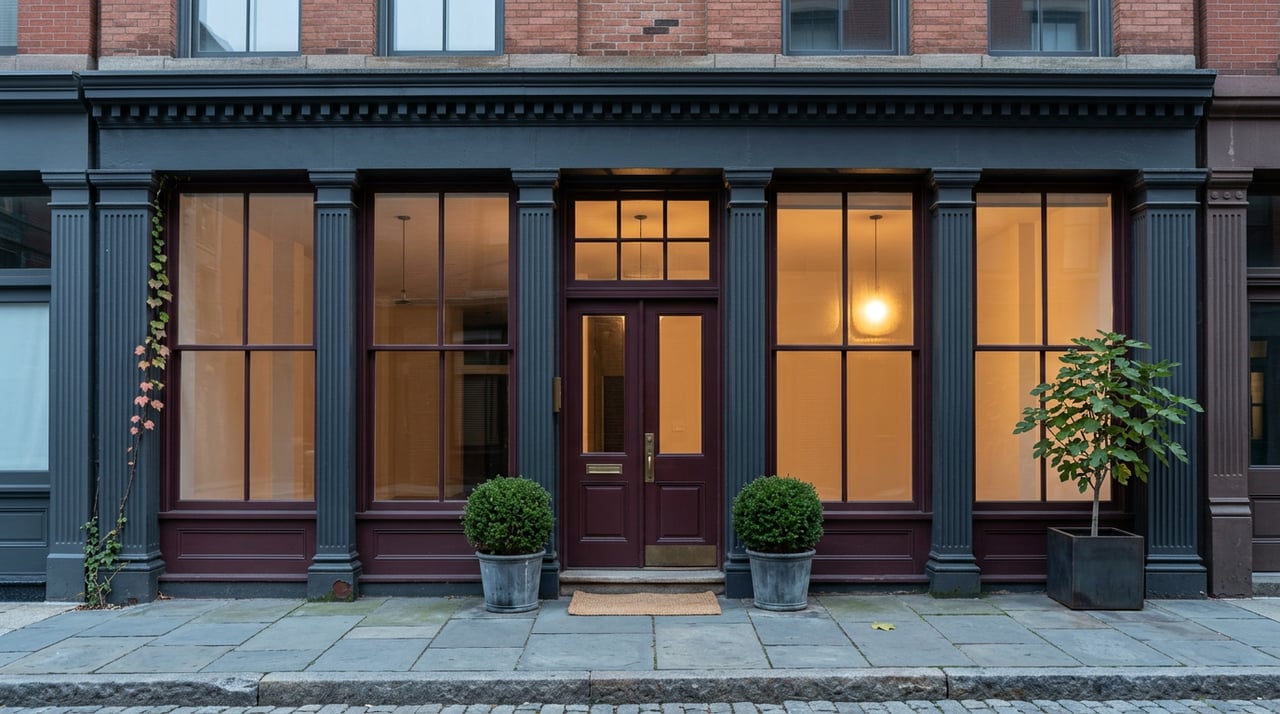
If you picture Greenwich Village as only townhouse rows, you may miss an important part of the market. The district report describes Sixth Avenue between West 8th and West 12th Streets as a commercial street for the neighborhood, with many early houses originally built as residences with shops underneath.
Greenwich Avenue also includes shops, civic buildings, and other public-facing uses. These blocks can appeal to buyers who want an energetic, urban setting with more activity at street level.
The Greenwich Village Historic District Extension covers roughly 45 buildings on the Hudson River waterfront and reflects development from about 1819 to 2003. According to the Landmarks Preservation Commission, this area preserves an old west-side pattern of dwelling, industry, and commerce.
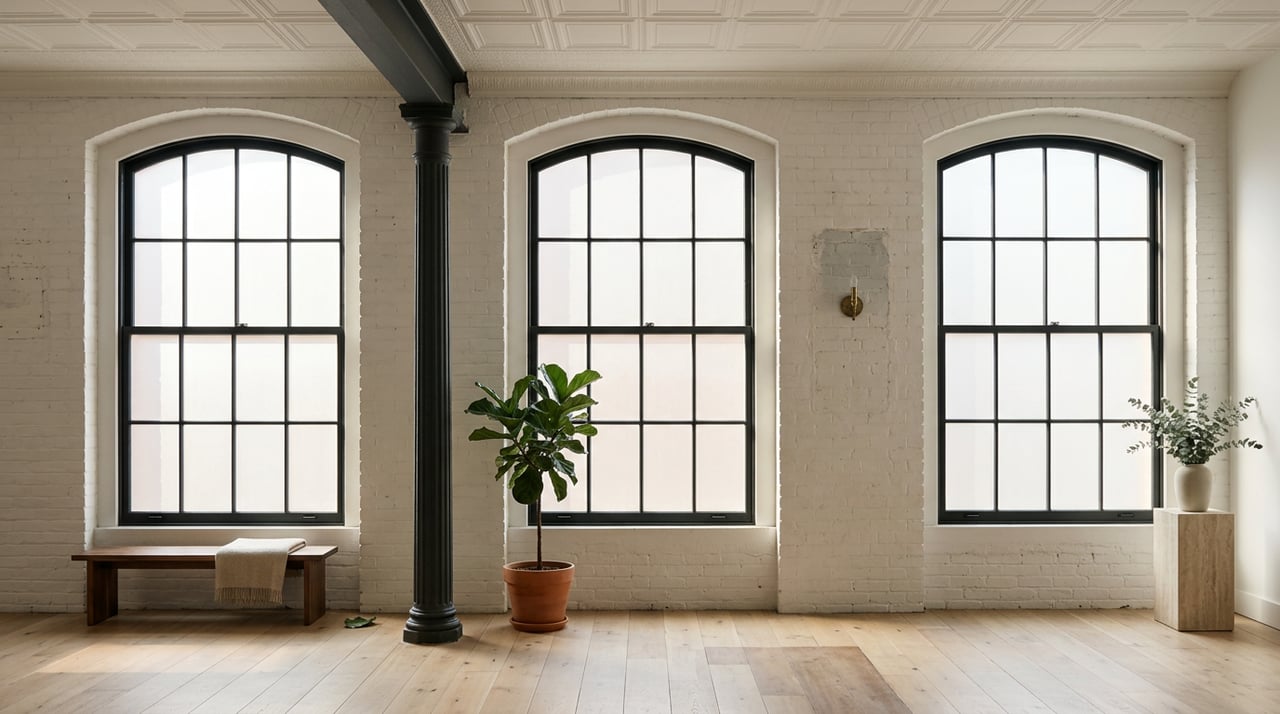
Here, you are more likely to encounter converted warehouses, stables, tenements, schools, churches, and later apartment conversions alongside earlier row houses. For buyers, this can mean loft-like volume, unusual layouts, and a very different feel from classic townhouse streets.
Light in Greenwich Village depends on more than compass direction. Height transitions between buildings and differences between the two sides of a street can shape how much daylight reaches a home.
The district report notes, for example, that on Waverly Place the west side largely retained a low residential character while the east side was replaced by larger later buildings. On West Tenth Street, low houses are set against larger structures including the Jefferson Market Courthouse. These examples show why you should compare both sides of the street when judging openness, view corridors, and privacy.
Noise often rises where commercial and civic uses are concentrated. Sixth Avenue is explicitly described as a commercial street, while Greenwich Avenue includes shops and civic uses, so those corridors may feel busier than quieter side streets.
By contrast, the district report points to places such as Milligan Place and Patchin Place as more secluded retreats. This is not a formal noise analysis, but it is a useful way to think about how block character may influence your day-to-day experience.
Privacy tends to be stronger on narrower residential streets with fewer storefronts and a more consistent low-rise street wall. The Village report repeatedly highlights stoops, courts, alleys, and low building heights as features that create an intimate setting.
That is part of what makes Greenwich Village so nuanced. Within a short walk, the neighborhood can shift from open and active to tucked away and calm.
In Greenwich Village, landmark status is not just about aesthetics. It can affect how a building is maintained, altered, and evaluated over time.
The Landmarks Preservation Commission states that in a historic district, the agency must approve most exterior changes. Permits are required for restoration, alteration, reconstruction, demolition, new construction, and some work that would not otherwise require a Department of Buildings permit.
For buyers, this means your renovation plans may need a closer review if they involve facades, rooftops, or other exterior elements. It can add complexity, but it also helps preserve the physical qualities that make many Village blocks so sought after.
Historic protections do not guarantee appreciation, and every purchase should be evaluated on its own merits. Still, the structure of the neighborhood matters.
The designation report makes clear that historic district status was meant to prevent needless loss, control future alterations, and ensure new work strengthens rather than weakens the district. In a built-out neighborhood with limited comparable supply, that framework can support durable demand for well-located, well-maintained properties.
For many buyers, especially those thinking long term, that preservation logic is part of the Village’s appeal. You are not only buying an apartment or townhouse. You are buying into a streetscape that is more tightly protected than in many other parts of Manhattan.
Before you move forward on a Greenwich Village purchase, it helps to review the property through the lens of the block as well as the building.
A Greenwich Village search often becomes clearer once you define the kind of block experience you want. Some buyers are drawn to classic townhouse scale near Washington Square. Others prefer mixed-use streets with more energy, or loft-like homes in the far western edge of the neighborhood.
The key is to look past broad labels. In Greenwich Village, the building matters, but the block often tells you just as much about how a home will feel, function, and hold its appeal over time.
If you are considering a purchase in Greenwich Village, working with an advisor who can read both architecture and micro-location can make the process more informed and more efficient. To discuss your goals with a discreet, multilingual team that understands Manhattan block by block, schedule a private consultation with BARNES New York.
Stay up to date on the latest real estate trends.
Experience tailored guidance, global reach, and exclusive access to New York’s most coveted properties. We are your trusted partner in luxury real estate.