Everyday Rhythm On The Upper West Side
June 4, 2026
June 4, 2026
If you are trying to picture daily life on the Upper West Side, it helps to think less about landmarks and more about rhythm. This is a Manhattan neighborhood where parks, transit, culture, and everyday errands sit close enough together to shape a day that feels both active and grounded. Whether you are considering a move, searching for a pied-à-terre, or simply getting to know the area, this guide will help you understand how the Upper West Side moves from morning to evening. Let’s dive in.
The Upper West Side is generally defined by Manhattan Community Board 7 as the area from 59th to 110th Street between Central Park and the Hudson River. That clear frame gives the neighborhood a strong sense of place.
You feel it in the way the district is organized. Central Park forms the eastern edge, Riverside Park shapes the western edge, and the avenues in between create an easy, repeatable daily pattern. For many residents, that means your world can feel surprisingly complete within a relatively compact stretch of Manhattan.
One of the biggest draws of the Upper West Side is how naturally it supports life on foot. The neighborhood is served by the 1, 2, 3, B, and C subway lines, with stations at key points including 59th-Columbus Circle, 72nd, 81st-Museum of Natural History, 86th, 96th, 103rd, and 110th Street.
That station spacing matters in practice. It means you can build your day around short walks, quick subway access, and easy neighborhood-to-neighborhood trips rather than relying on a car.
The retail streets reinforce that same rhythm. New York City Planning identifies Broadway, Amsterdam Avenue, and Columbus Avenue as the main commercial spines serving this dense residential community. These avenues are where daily life unfolds, with local businesses woven directly into the blocks where people live.
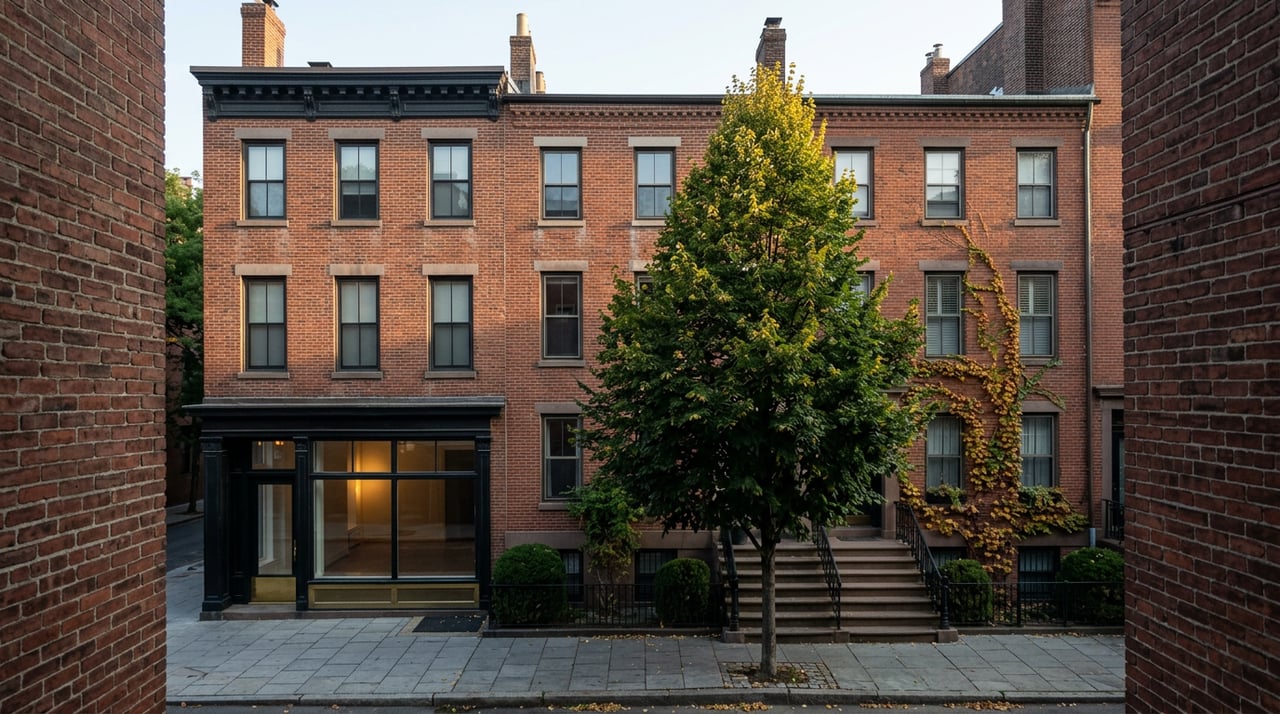
The Upper West Side does not read like a neighborhood of oversized corridors and anonymous towers. Planning materials note that many buildings along Amsterdam and Columbus date from the 1900s through the 1920s, often with narrow lobbies and small ground-floor retail spaces.
That physical texture helps explain the area’s intimate street-level feel. You are not just passing through large commercial zones. You are moving through a sequence of familiar storefronts, apartment entrances, and active sidewalks that make repeat routines feel personal.
On the Upper West Side, outdoor space is not an afterthought. It is built into the calendar and into the flow of daily life.
Riverside Park plays a major role on the west side of the neighborhood. During the warmer months, NYC Parks’ Summer on the Hudson programming runs from 59th Street to 153rd Street and includes free concerts, dance performances, movies under the stars, DJ dance parties, children’s shows, special events, and wellness activities.
That kind of programming changes how a neighborhood feels. The park becomes more than scenery. It becomes a place where an ordinary weekday can turn into an evening outside.
The practical details matter here too. Visitor guidance from the Children’s Museum of Manhattan notes that the Riverside Park entrance at 83rd Street includes a playground and benches, while Central Park is only three blocks east.
That helps explain why the Upper West Side feels so easy to navigate day to day. A museum visit can naturally turn into a park stop, a playground break, or a walk home through green space without much planning.
Central Park gives the neighborhood balance. On one side, you have the Hudson River and Riverside Park. On the other, you have one of the city’s most recognized public landscapes, with easy access from Central Park West.
The American Museum of Natural History reflects that pattern in its own layout, with entrances at Central Park West at 79th Street, 81st Street at the Rose Center, and Columbus Avenue at 79th Street through the Gilder Center. Even bicycle parking at 81st Street adds to the sense that museum visits, walking routes, and park access are tightly connected.
One reason the Upper West Side appeals to both long-time New Yorkers and newcomers is that culture here does not feel separate from ordinary life. It is close enough to become part of a regular week.
Lincoln Center describes Lincoln Square as the cultural and entertainment heart of the city. For someone living nearby, that means an evening performance can feel less like a major outing and more like a natural extension of the neighborhood.
That distinction matters. On the Upper West Side, a dinner reservation, a performance, and a walk home can happen within the same local orbit.
The neighborhood’s cultural institutions are also unusually close together. The American Museum of Natural History sits at Central Park West and 79th Street, while the Children’s Museum of Manhattan is located at 212 West 83rd Street.
Together with nearby parks and restaurants, these institutions help create a practical family rhythm. You can imagine a weekend that includes a museum visit, lunch nearby, and time outdoors, all without complicated travel across the city.
For households thinking about school planning, the New York City Department of Education district map places Lincoln Square and the Upper West Side in District 3. That is one reason the area often comes up in relocation conversations, especially for buyers and renters who want to understand how neighborhood logistics may fit into family life.
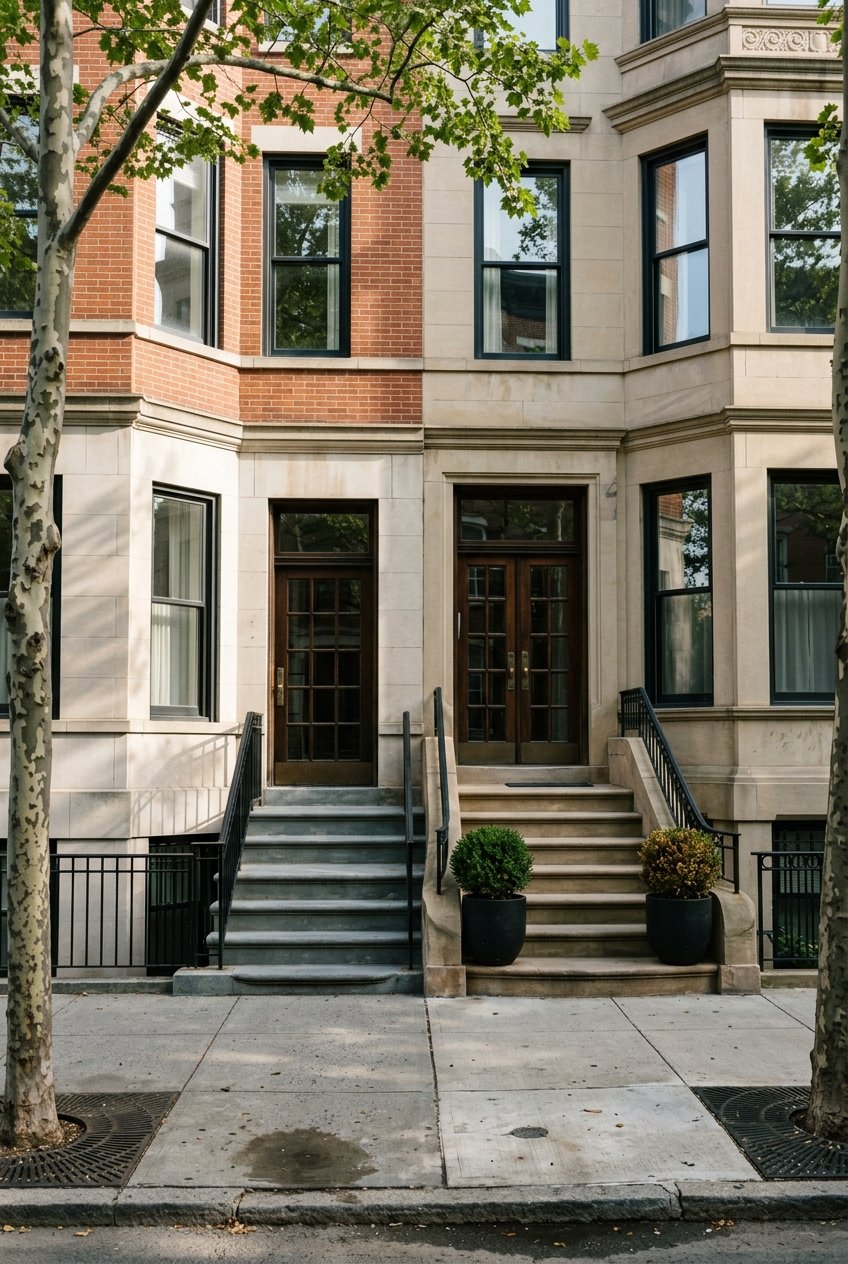
The Upper West Side is widely associated with prewar architecture, and that impression is well supported by the built environment. The Riverside-West End Historic District Extension II report describes about 344 residential and institutional buildings constructed primarily between the mid-1890s and early 1930s.
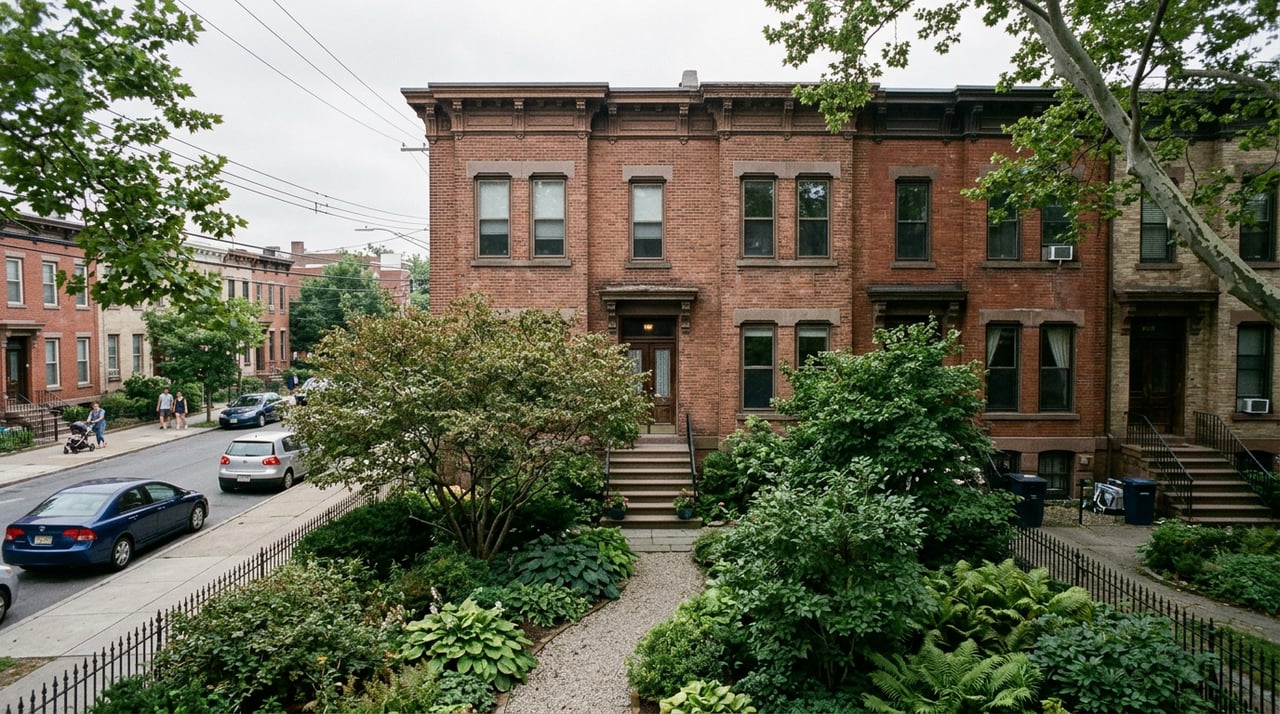
The report also notes a strong streetwall formed by large apartment buildings, with row houses and mansions appearing along side streets. That combination gives the neighborhood much of its visual identity.
While the Upper West Side is known for its historic texture, newer residential development is present as well. New York City Planning materials reference newer mixed-use residential buildings on Broadway and Columbus, and planning documents for 25 Central Park West describe a 33-story mixed-use condominium building.
The overall impression, though, remains rooted in older architecture. Newer additions exist, but they tend to read as contrast rather than the dominant language of the streetscape.
If you are considering living on the Upper West Side, the appeal often comes down to how smoothly the pieces fit together. The neighborhood supports a day that can start with coffee and errands on a commercial avenue, continue with work or meetings across Manhattan, and end with a park walk or a performance.
For some, that rhythm centers on proximity to culture. For others, it is the balance of green space, transit access, and residential character. For international buyers, second-home owners, and relocating households, the Upper West Side often stands out because it feels established, legible, and easy to settle into.
When you search for property here, square footage and finishes tell only part of the story. The Upper West Side is a neighborhood where the surrounding pattern of life matters just as much.
You are not only choosing an apartment or townhouse. You are choosing how close you want to be to park entrances, subway stations, cultural institutions, and the main retail avenues that shape daily routines.
That is especially important in a market where building type, block character, and avenue access can influence how a home feels in practice. A prewar apartment near a museum corridor offers a different experience from a newer condominium near one of the main commercial spines, even within the same broader neighborhood.
The Upper West Side rewards close attention. Its appeal is not just that it is beautiful or well known. It is that the neighborhood functions with unusual ease, blending residential calm with cultural depth and daily convenience.
If you are exploring a purchase, rental, or long-term investment here, it helps to look beyond the listing and understand the cadence of the blocks around it. That is often where the real value of the Upper West Side becomes clear.
If you are considering your next move on the Upper West Side, BARNES New York offers discreet, highly personalized guidance for buyers, sellers, renters, and owners seeking a more curated view of Manhattan living.
Stay up to date on the latest real estate trends.

Experience tailored guidance, global reach, and exclusive access to New York’s most coveted properties. We are your trusted partner in luxury real estate.