Selling on the Upper East Side calls for care, timing, and a plan that protects your privacy while maximizing price. You want a quiet, well-run process that anticipates board questions, showcases your home beautifully, and moves from accepted offer to closing without drama. In this guide, you will learn how to set strategy, choose the right level of exposure, prepare documents, and navigate taxes and timelines specific to the UES. Let’s dive in.
Why the Upper East Side is unique
The Upper East Side blends heritage buildings, established co-ops, and coveted proximity to Central Park and Museum Mile. Many residences sit in historic districts, and buyers often value floor plan, views, building services, and financial strength.
Recent reporting shows Manhattan’s high-end market has remained active with many cash buyers in 2024 and 2025. That means you should plan pricing for a well-capitalized audience while still creating competitive tension when possible. You can review current trends in the Manhattan luxury segment in the latest Miller Samuel market reports to align your strategy with real data. See the latest insights at the Miller Samuel market reports page: Manhattan market reports.
Price and timing strategy
- Use true peer comps. In the UES luxury segment, details like floor height, ceiling height, outlook, and service level create wide price bands. When possible, pull very recent sales in your building or on your immediate blocks.
- Allow 2 to 8 weeks for pre-listing work. Repairs, paint, staging, photography, floor plans, and document assembly take time, especially for co-ops that require complete board materials early.
- Co-ops often run on a board calendar. Many boards meet monthly, and some buildings prefer a near-complete package from the buyer before scheduling an interview. Build that into your timeline.
Choose your level of exposure
You can balance privacy and price with three common paths:
- Full public launch - MLS exposure and broad marketing. This creates the most competition but is the least private.
- Targeted marketing - Controlled previews to vetted buyers and trusted brokers. This improves discretion but can limit bidding dynamics.
- Office exclusive or delayed marketing - In some cases, a broker can keep a listing inside the firm’s private network with your written consent. Under the National Association of Realtors’ Clear Cooperation Policy, any listing that is publicly marketed must be submitted to the MLS within one business day. Learn the core rules here: NAR Clear Cooperation policy.
If you prefer discretion, document your wishes in writing and understand the trade-off. Withholding public exposure can reduce competitive tension and may affect price. A time-limited private window, followed by a public launch if needed, often strikes the right balance.
Elevate presentation and visuals
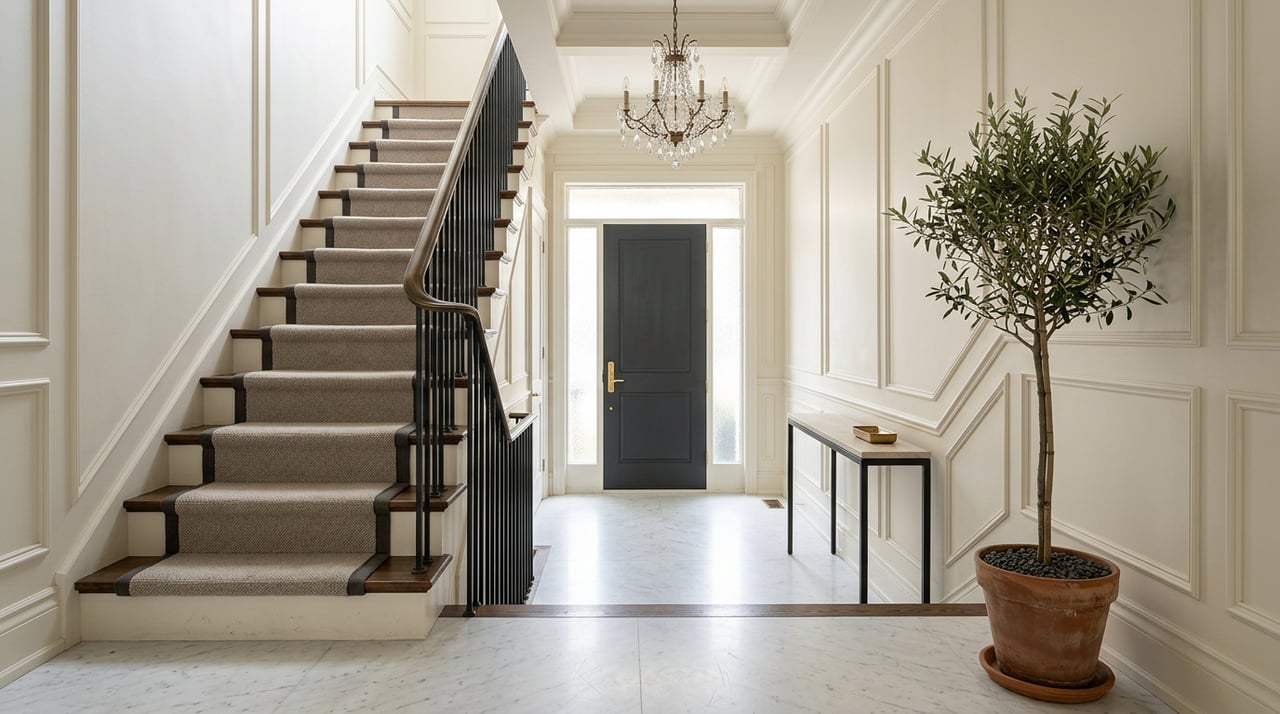
In luxury, presentation is non-negotiable. Prioritize:
- Professional staging matched to the buyer profile. Budget roughly 0.5 to 2 percent of list price depending on size and vacancy. NAR research shows staging helps buyers visualize a property and can shorten time on market. Read more about buyer behavior and staging here: NAR on home staging.
- High-end photography and video. Capture daylight and twilight to highlight views, finishes, and ambiance.
- Floor plans and a 3D tour. Luxury buyers study planning, flow, and storage closely.
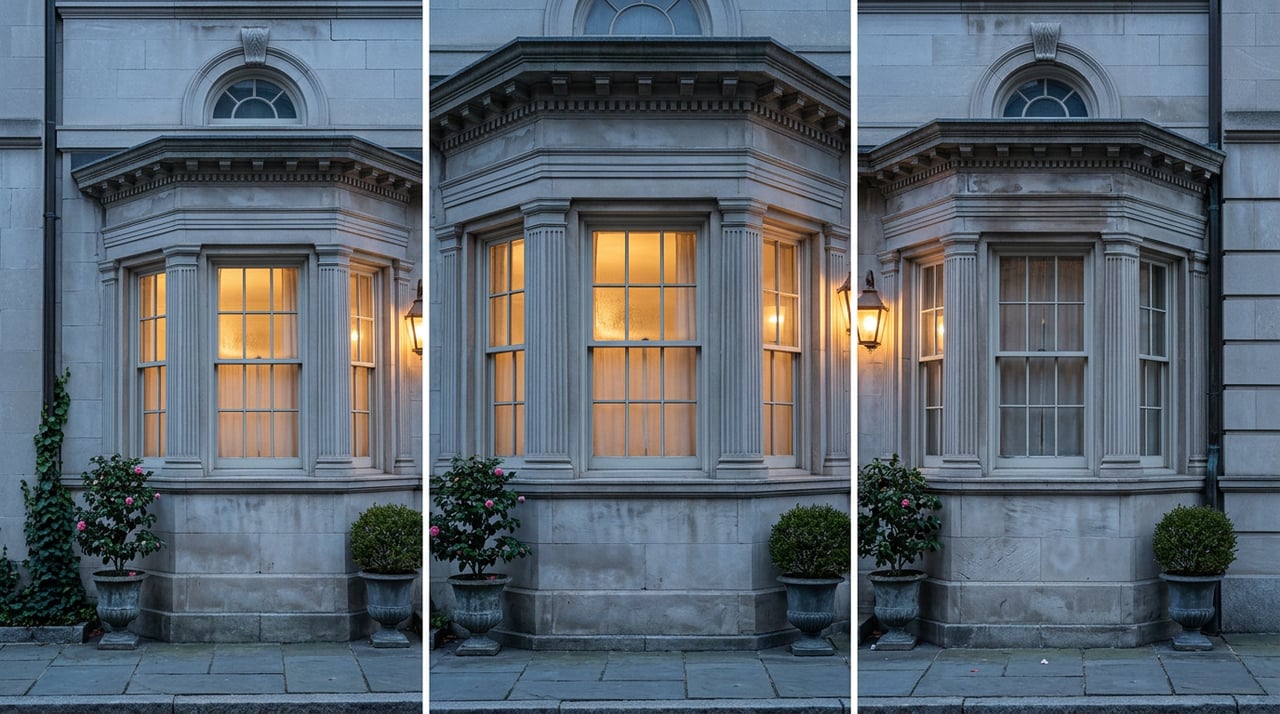
Townhouses and any exterior changes in historic districts may require Landmarks Preservation Commission review. Confirm rules early to avoid delays: NYC LPC rules and master plans.
Assemble a complete document pack
A curated data room reduces friction for attorneys, boards, and motivated buyers. Prepare:
- For condos: offering plan or resale documents, bylaws, board policies, building financials, common charges, assessments, and management contacts.
- For co-ops: proprietary lease, bylaws, house rules, recent board minutes, 2 to 3 years of audited financials, building debt information, flip tax rules, application forms and fees, move-in and move-out procedures, and a plain-language “what to expect” sheet for buyer submissions.
Encourage buyers to preview the application checklist and start assembling materials early. A near-complete package at contract signing can speed the process and reduce risk.
Board and financing expectations
Building policies vary by co-op, but many UES buildings expect at least 20 percent down. Some conservative prewar buildings prefer 25 to 50 percent down or all-cash buyers in practice. Boards often review post-closing liquidity too. It is common to see expectations of 6 to 24 months of housing expenses on hand. Surface these points early so buyers self-select before negotiating.
Taxes and seller costs
Plan for the following at contract stage:
- NYC Real Property Transfer Tax. For residential transfers, the rate is 1 percent for prices at or below 500,000 dollars and 1.425 percent for prices above 500,000 dollars. Review details here: NYC Real Property Transfer Tax.
- New York State mansion tax. This applies to purchases of 1,000,000 dollars and above on a graduated scale from 1 percent to 3.9 percent depending on price. Your attorney will calculate the exact amount.
- Typical seller expenses. Brokerage commission, seller attorney fees, building move-out fees or deposits, possible flip tax where applicable, and any payoffs owed to the building. Your agent can draft a one-page estimate early to avoid surprises.
Always confirm exact charges with your attorney and CPA based on contract terms.
Build the right team
- Listing broker with Upper East Side and luxury co-op experience.
- New York real estate attorney experienced with co-ops, proprietary leases, and offering plans.
- Tax advisor for capital gains and cross-border planning if needed.
- Lender relationships aligned to your likely buyer profile to keep financing contingencies realistic.
- LPC and architect consultant if your property is landmarked or exterior work is planned: NYC LPC rules and master plans.
A realistic timeline
- Weeks -8 to -4: Strategy with your broker and attorney. Repairs, paint, decluttering. Request building documents. Engage staging and book photography.
- Weeks -3 to 0: Final styling. Professional photography and media. Create floor plans and a 3D tour. Build your data room. For co-ops, confirm the board’s meeting schedule.
- Listing live: Launch publicly or in a controlled private window per your plan. If you choose any delayed or office-exclusive approach, make sure your written consent is on file and all policy rules are followed: NAR Clear Cooperation policy.
- Contract to close: Condos and townhouses commonly close in 30 to 60 days, depending on financing and title. Co-ops often need 60 to 120 days due to board processing, bank approvals, and interview scheduling. Build buffers around board calendars.
Avoid common pitfalls
- Board rejection risk. Vet buyer strength early. Ask for proof of funds and pre-approval, and encourage the buyer to prepare most of the board package at contract.
- Landmark or permit surprises. Confirm LPC requirements before you promise any exterior modifications or list features that may need approvals: NYC LPC rules and master plans.
- Reduced competition in private-only cycles. If privacy is key, use a time-bound private phase with vetted buyers. If momentum stalls, pivot to a public launch to increase exposure.
Pre-listing checklist
- Confirm property type and gather building documents: proprietary lease or offering plan, bylaws, minutes, audited financials, house rules, move procedures, and any flip tax schedule.
- Engage your team: UES-experienced listing broker, NY real estate attorney, tax advisor, stager, photographer, and LPC consultant if landmarked.
- Prepare the home: repairs, paint in a neutral palette, deep clean, edit personal items, and plan high-end photography, floor plan, and 3D tour.
- Set confidentiality protocols: appointment-only showings, NDA for detailed materials if needed, and a short, non-technical brief for vetted buyers.
- Plan costs and logistics: commission estimate, attorney fees, flip tax estimate if applicable, NYC and state transfer taxes, and move-out scheduling.
Selling a luxury home on the Upper East Side rewards careful planning. With the right balance of discretion and exposure, a complete document pack, and a timeline that respects board cadence, you can move from first showing to closing with confidence. If you would like a tailored plan for your co-op, condo, or townhouse, connect with BARNES New York for a confidential consultation.
FAQs
What makes Upper East Side co-op sales different?
- Many UES buildings are prewar co-ops with detailed financial and lifestyle standards. Expect deeper document requests, board calendars, and careful buyer vetting compared with condos.
How long does a co-op board approval usually take in NYC?
- After contract, allow 60 to 120 days for co-op closings due to application review, lender steps, and board interview scheduling. Timelines vary by building.
How can I market my home privately under NAR’s rules?
- You can choose a targeted or office-exclusive approach with written consent, but any public marketing typically triggers an MLS submission within one business day under NAR’s Clear Cooperation policy.
Which documents should I give buyers before listing?
- Share building bylaws, house rules, recent minutes, audited financials, application forms and fees, and any flip tax or assessment details. For condos, include the offering plan and common charges.
What closing costs should I expect as a seller in NYC?
- Budget for brokerage commission, seller attorney fees, NYC and NYS transfer taxes, possible flip tax, and building move-out fees or deposits. Your attorney will confirm exact figures.