Your Guide to Tribeca Loft Living, Light, and Space
February 5, 2026
February 5, 2026
Do you find yourself drawn to high ceilings, oversize windows, and the calm of a wide, open room? If so, the Tribeca loft has probably caught your eye. You want character and comfort, but you also want to understand how architecture, light, layout, and building type will shape your everyday life. This guide breaks down what “loft living” really means in Tribeca, how different buildings feel to live in, and what to look for before you buy. Let’s dive in.
Tribeca’s lofts grew out of 19th and early 20th century warehouses and market buildings. You see the heritage in the structure and scale, not just the style. Classic lofts reveal the building’s industrial bones rather than hiding them behind conventional residential finishes.
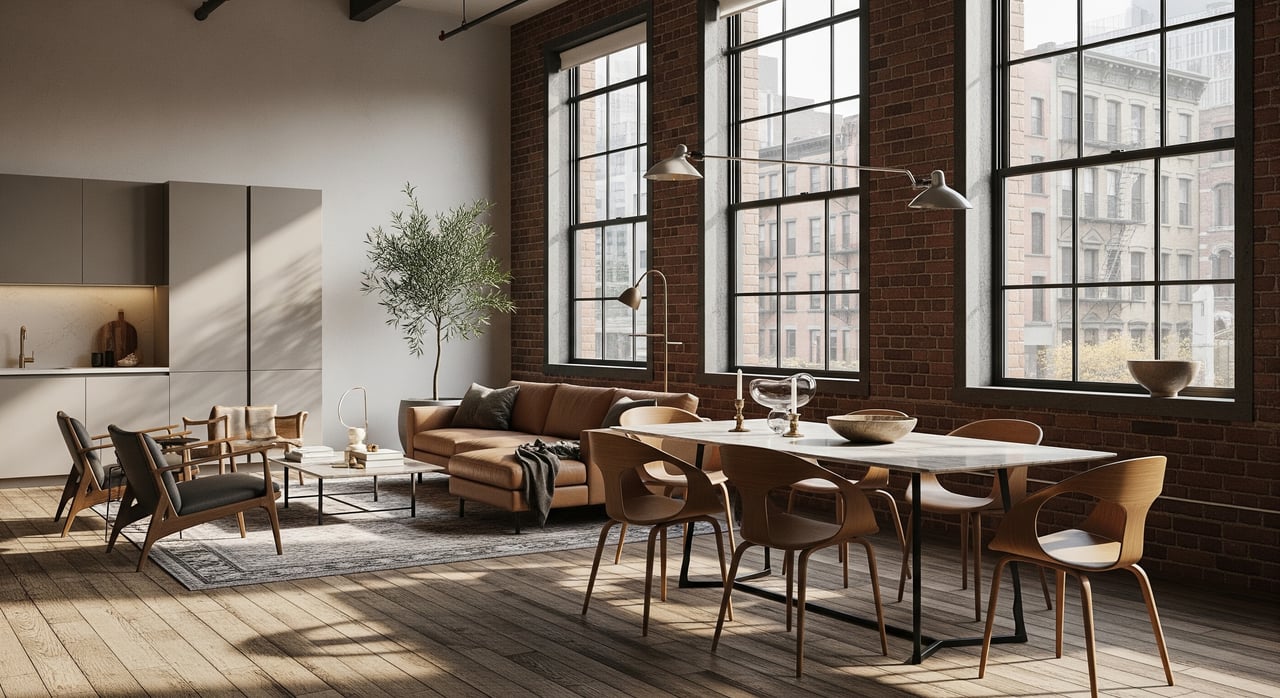
Lofts emphasize volume as much as square footage. Ceiling heights often reach well into the double digits, sometimes allowing for mezzanines or elevated sleeping and work areas. That vertical space changes how a room feels, how light travels, and how you organize your life.
Large multi-pane or industrial sash windows are a hallmark. They bring deep daylight and long sightlines across open floorplates. Light quality depends on window size, orientation, and how far the floorplate stretches away from the façade.
Fewer internal partitions mean flexible layouts that you can tailor to your routine. You might add a glass partition for a bedroom, a studio corner, or a library wall. The tradeoff is privacy and acoustics, so you plan zones with care.
You often see brick, timber beams, columns, and hardwood plank floors. Some mechanicals remain visible, such as ductwork or piping. These materials carry character, and they can ask for specialized maintenance over time.
Not all “lofts” are the same. In Tribeca, you will encounter three broad categories that shape lifestyle, maintenance, and cost.
These are authentic adaptive reuses of former industrial buildings. You get exposed brick, columns, generous spans, and layouts that feel one-of-a-kind. The experience is rooted in history and texture.
Pros include true character and volume. Constraints can include older building systems, window performance, and layout choices influenced by code upgrades. Ownership can vary between co-op and condo, and some boards in older conversions set strict policies. Always confirm that the unit and the building’s residential status are fully legalized under local rules.
These are newer condos that adopt the loft language. Expect high ceilings, oversized windows, open kitchens, and often a modern amenity program. Mechanical systems, energy performance, and sound insulation tend to be more predictable.
The result is easier day-to-day comfort with fewer renovation surprises. The tradeoff is that some developments lean more cosmetic than structural, so you confirm that ceiling heights, window area, and slab-to-slab dimensions match your expectations.
Many buildings land between the two. Developers preserve façades and some industrial elements while rebuilding interiors to contemporary standards. You get a balance of authentic exterior presence with modern systems inside.
Much of Tribeca sits within historic districts or includes landmarked properties. Exterior work, including windows, can require special approvals. For any loft, verify residential legality, check for open building violations, confirm fire and egress compliance, and understand whether loft-specific statutes affect the unit. Zoning near the property can also shape future development and potential changes to light and views.
Tribeca is known for a quieter streetscape with cobblestones, broad former industrial avenues, and converted warehouse façades. The mix of residences, boutique retail, galleries, and restaurants creates a village-like feel within Lower Manhattan.
You can walk to neighborhood markets, cafés, and a range of restaurants. Parks and play areas serve residents, and both public and private schools are present. If schools matter to your decision, research catchment areas and any program waitlists that may apply.
Tribeca connects to multiple transit options and is walkable to the Hudson River waterfront and surrounding downtown neighborhoods. Transit convenience differs by block, so time your exact route to the lines you prefer.
You might be comparing neighborhoods that offer loft-like spaces. Here is how Tribeca stacks up in broad strokes.
Both share cast-iron and loft heritage with large windows and industrial bones. SoHo typically sees heavier daytime foot traffic and more retail activity. Tribeca is generally quieter and more residential.
You will find adaptive reuse and galleries in both areas. Chelsea’s grid and contemporary gallery scene create a different rhythm, and newer high-end development is more common there.
DUMBO also has an industrial waterfront story with authentic loft conversions. Floorplates can run larger and views lean industrial and river-oriented. The lifestyle and commute feel different from a Manhattan base in Tribeca.
Expect more high-rise living models and vertical conversions. Classic, wide-span warehouse lofts are less common, and street life runs on a different schedule.
Think smaller-scale townhouses, historic residential fabric, and narrower streets. Lofts are less typical and the feel is more village than industrial.
Use this quick guide when you tour.
Unit characteristics
Building characteristics
Neighborhood and site
A Tribeca loft offers more than square footage. It is a way of living shaped by architecture and light, by open plans and authentic materials, and by a streetscape that balances calm with culture. Your best outcome comes from matching building type to your tolerance for renovation, your need for privacy and storage, and the kind of light you want across the day.
If you are weighing classic conversion character against modern comfort, or you are an international buyer seeking a seamless process, a trusted advisor can make the difference from first tour to keys in hand. For discreet guidance, multilingual support, and neighborhood expertise tailored to your lifestyle, connect with BARNES New York.
Stay up to date on the latest real estate trends.

Experience tailored guidance, global reach, and exclusive access to New York’s most coveted properties. We are your trusted partner in luxury real estate.