Buying A SoHo Loft Without Surprises
February 12, 2026
February 12, 2026
You come to SoHo for the cast‑iron facades, tall windows and the kind of volume you cannot fake. You also know that behind the romance are rules, approvals and building quirks that can change your plans and budget. If you want the character without the costly surprises, you need a clear playbook. This guide gives you practical steps to confirm legal status, navigate landmarking and permitting, and evaluate the physical realities unique to SoHo lofts. Let’s dive in.
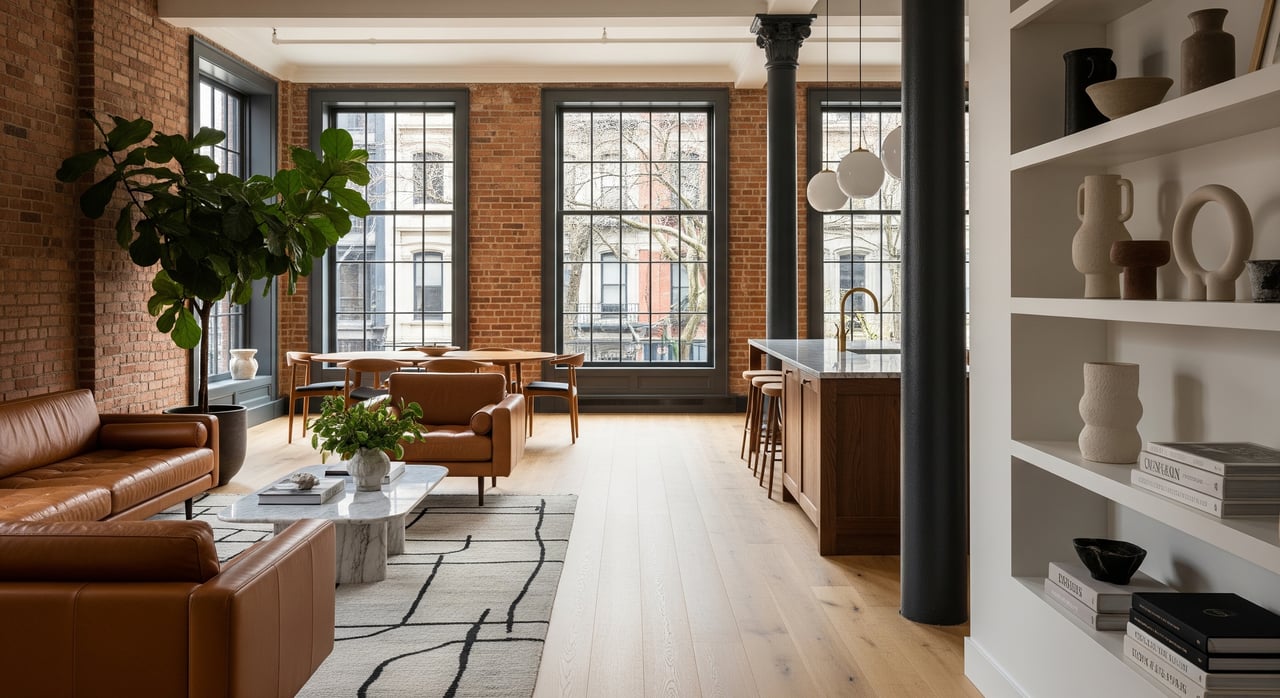
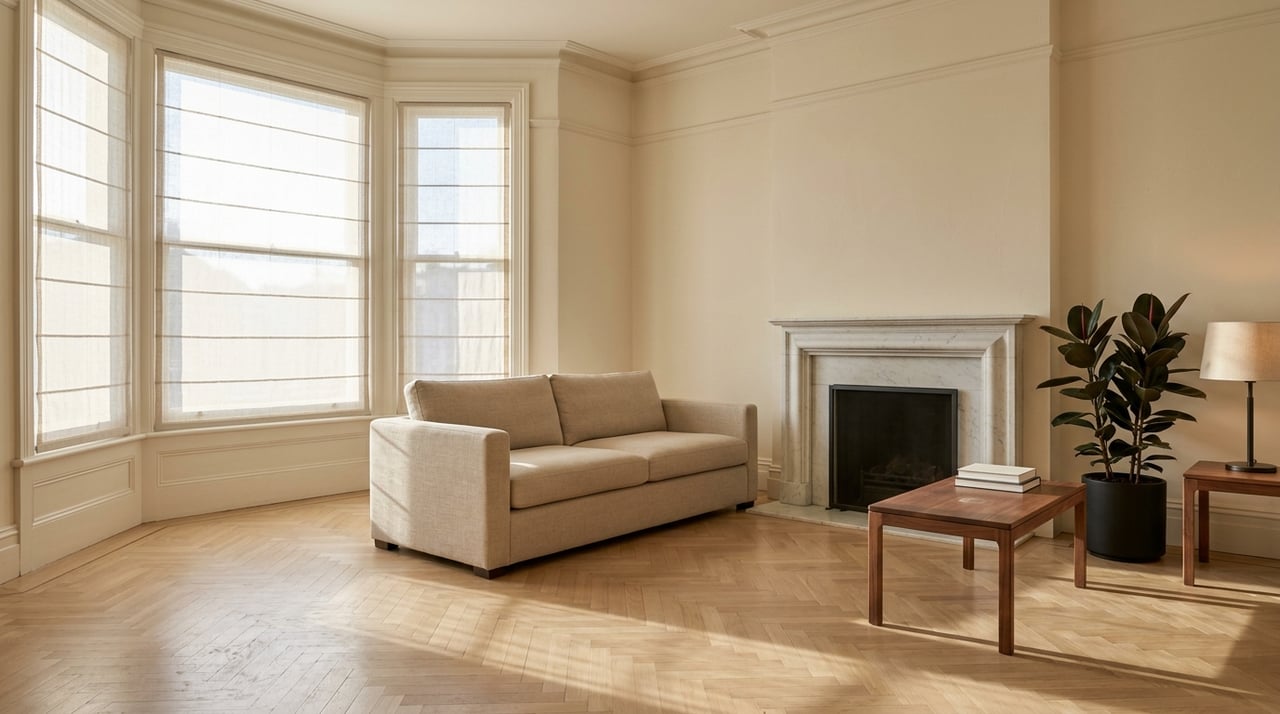
SoHo’s lofts were born from 19th‑century manufacturing buildings. You see it in the open floorplates, high ceilings, wide column spacing and large windows. Many properties were later converted to residential use, with the ground floor often remaining retail or gallery space.
The SoHo‑Cast Iron Historic District was designated in the 1970s, which preserves the neighborhood’s look and feel. Landmarking focuses on exteriors visible from the street. That beauty comes with process. Exterior work often needs approvals before you start.
Ownership is a mix of co‑ops, condos and, in some cases, units legalized under the state Loft Law. Genuine, large floorplates with clean residential status are limited. That scarcity can make the best lofts competitive.
A loft’s legal use starts with the Certificate of Occupancy. You want a residential C of O or proof of legalization under the New York State Loft Law if it was formerly commercial or industrial. Sellers should be able to provide these records or prior approvals.
If a building is registered with the Loft Board as an interim multiple dwelling, there are specific rules on tenant protections, rent or registration, and capital work obligations. Buying in a Loft Board‑regulated building changes timelines and responsibilities, so confirm status before you make an offer.
In SoHo’s historic district, any exterior change visible from the public way typically requires Landmarks Preservation Commission review and permits. That includes window replacements, rooftop installations that can be seen, new exterior mechanicals and storefront work.
Interior renovations are usually not regulated by the LPC unless the interior is separately designated. Interior work still needs to comply with building rules and Department of Buildings codes and permits.
Parts of SoHo sit in legacy manufacturing or commercial zones. Zoning determines allowed uses and can limit adding floor area, rooftop structures or new dwelling units. Some work may be as‑of‑right, while other plans could require special approvals. This is crucial if you are dreaming of a roof deck, penthouse addition or combining units.
Co‑ops require board approval to purchase. They also set detailed alteration agreements that govern insurance, contractor licensing, work hours, move‑in procedures, and methods. The board can set conditions or request changes to your renovation plan. Build time for paperwork and approvals into your schedule.
Condos generally have fewer restrictions, guided by the declaration, bylaws and house rules. Renovations are often simpler to move forward, but you still need to follow DOB permitting and any LPC requirements if work is visible. In both cases, know the building’s policies before you bid.
Lofts offer deep floorplates and openness, but structure and services define what you can change. Timber beams, columns and load‑bearing walls restrict large openings. Plumbing chases often determine where kitchens and baths can realistically go. If you plan to move a kitchen, add a bath or open spans, you will need an engineer and DOB permits.
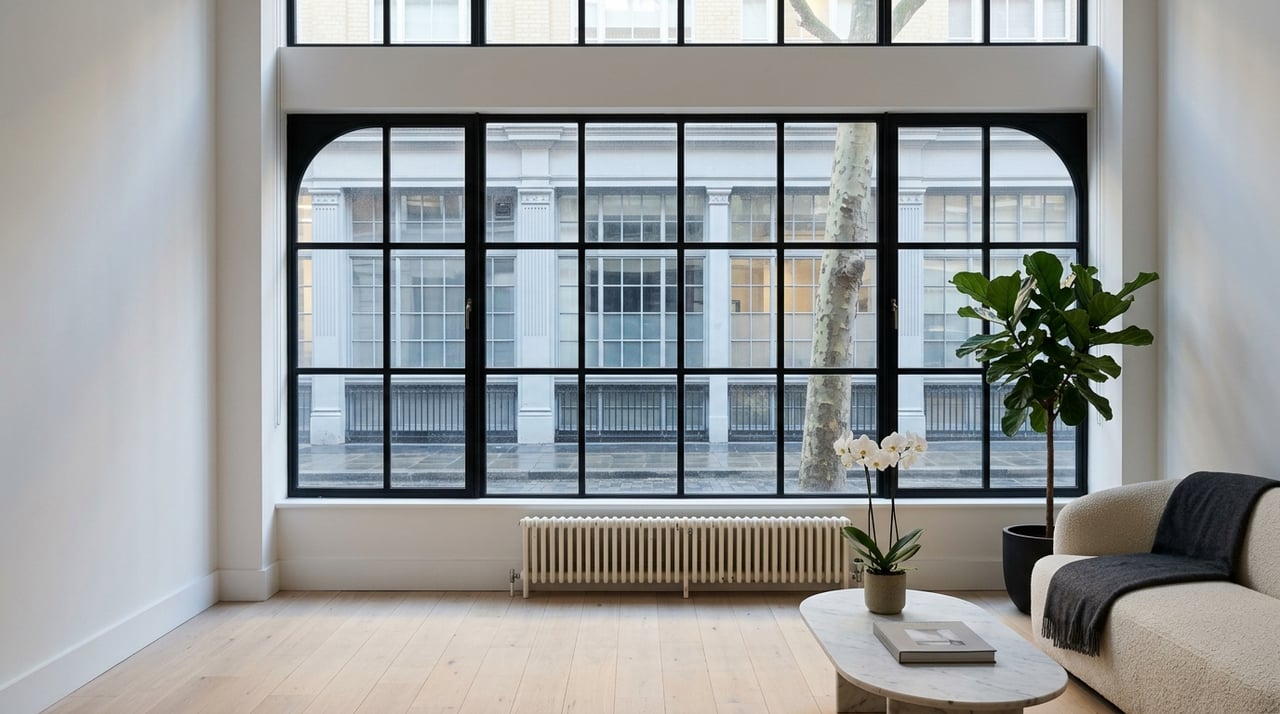
High ceilings and tall windows can deliver beautiful light, but orientation and neighbors matter. Party walls and taller nearby buildings can limit daylight to rear areas. Visit at different times of day and confirm north, south, east or west exposure so the light you love in photos is the light you get year‑round.
Street life is part of SoHo’s appeal, but it can bring ambient noise from retail, deliveries and nightlife. Older structures may carry impact noise between floors due to timber joists and lighter partitions. Ask about past noise complaints, any soundproofing upgrades and the nature of commercial tenants in the building. Professional sound mitigation for floors, partitions, windows and mechanicals can make a major difference.
Many buildings have small passenger cabs or no freight elevator. Large furniture and kitchen deliveries may be limited by elevator size, stair width and building rules. Expect reservations, deposits and set hours for moves. For renovations, the lack of a freight elevator can add costs for scaffolding, sidewalk use or craning materials.
It is common to find central building heat paired with individual AC units such as through‑wall or ductless splits. Older plumbing and electrical service may not meet today’s kitchen and entertainment needs. Confirm electrical panel capacity and whether gas service is available or allowed for new connections. Rooftop condensers or exhausts can trigger LPC and DOB reviews if visible.
Legal residential conversions typically require sprinklers and specific egress improvements. Confirm the building’s compliance and the current egress paths. Changes that affect fire‑rated assemblies or sprinkler tie‑ins can expand the scope of even modest interior work.
Use this quick checklist to keep surprises out of your contract:
A practical roadmap for any work visible from the street or roof looks like this: early design, then co‑op or condo pre‑approval if required, followed by LPC application for visible elements, then DOB filing and plan exam, permit issuance, supervised construction and final inspections.
For interior work that is not visible, you still need DOB approvals for structural changes, new plumbing, gas or mechanicals. Building rules apply in all cases.
Plan for board reviews and agency approvals to take time. Co‑op alteration approval often takes 2 to 8 weeks. LPC review for visible exterior work typically runs 4 to 12 weeks, and longer if a hearing is needed. DOB permits for structural, plumbing, gas or use changes may take several weeks to several months depending on scope.
If a unit falls under the Loft Board or has contested issues, legalization can take many months. As a practical baseline, assume 2 to 6 months from contract to completing moderate, permitted interior work, with larger scopes extending beyond that.
Older lofts require thoughtful contingencies. Budget 10 to 20 percent for unforeseen items like outdated wiring, hidden plumbing, structural repairs or hazardous material remediation. Expect additional costs for historically appropriate windows or cast‑iron restoration if required, plus scaffolding or sidewalk sheds for facade or roof work. Build in DOB and expediting fees, architect and engineer costs, and co‑op or condo alteration review fees. Moves and renovations may also involve elevator deposits, superintendent fees and permits for sidewalk or crane use.
Bring in the right team before you finalize an offer. A licensed engineer or experienced home inspector can evaluate structure and systems. Engage a structural engineer if you plan to open spans or add heavy loads. Have a mechanical, electrical and plumbing contractor confirm service capacity. If any exterior‑visible work is planned, consult an LPC‑savvy architect. For older finishes, consider environmental testing for lead paint or asbestos and plan remediation if needed.
If you are purchasing from abroad or intend to use the loft as a pied‑à‑terre, planning and coordination are everything. Ask your advisor to assemble an architect and engineer early for feasibility and cost checks before you bid. Clarify building rules and approval timelines so your travel and move plans match reality. If you expect to be away often, discuss owner’s representation or property management options so renovations, maintenance and deliveries proceed smoothly in your absence.
Buying a SoHo loft is as much about stewardship as it is about space. When you confirm legal status up front, understand how landmarking and zoning shape what is possible, and look closely at elevators, light, sound and service capacity, you set yourself up for a smooth close and a successful renovation. With the right team and a realistic timeline and budget, you can enjoy the SoHo character you love without unwelcome surprises.
Ready to evaluate a specific loft or map an approval path for your design? Schedule a private consultation with the multilingual advisors at BARNES New York to move forward with confidence.
Stay up to date on the latest real estate trends.
Experience tailored guidance, global reach, and exclusive access to New York’s most coveted properties. We are your trusted partner in luxury real estate.